
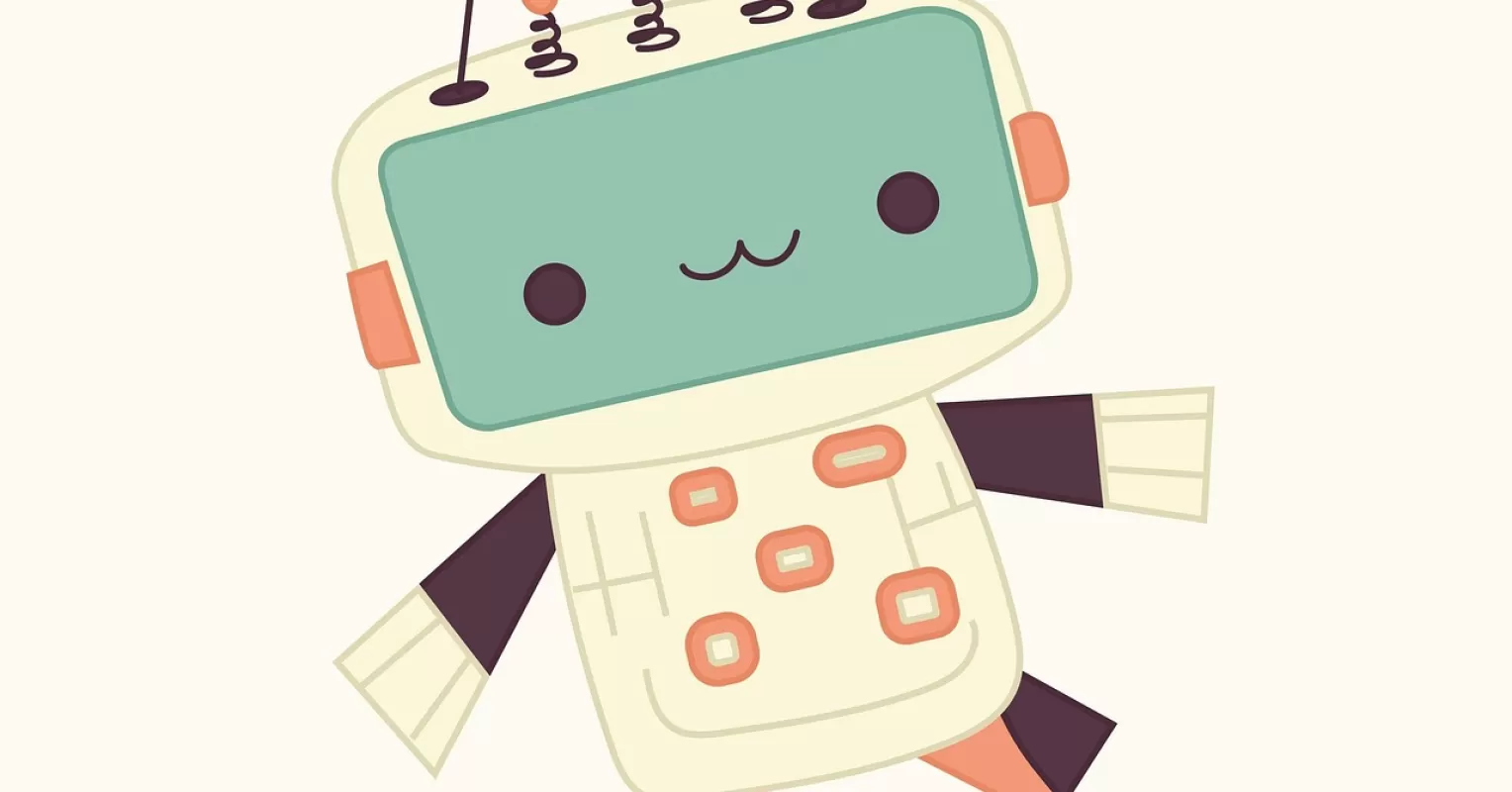
Have you ever felt an unexpected emotional connection with a chatbot, perhaps even calling it your best friend? It’s a curious sensation—to find companionship in a digital entity that isn’t human. This might seem odd to some, but for many, it highlights a deeper social and emotional need that’s often overlooked.
Understanding the Digital Companion Phenomenon
When people refer to chatbots like ChatGPT as their best friends, it often points to a profound shift in how we perceive friendship. In a world where human interaction can feel distant or superficial, these digital entities provide a semblance of connection that may offer comfort. Users report feeling understood and validated by chatbots, which can mimic conversational empathy without any real emotional entanglement.
This phenomenon isn’t limited to a few isolated instances; it’s indicative of a wider trend where technology fills emotional voids. For many, chatbots are viewed as ‘perfect friends’—always available, never judgmental, and tailored precisely to one’s preferences. This taps into both our longing for companionship and the convenience of digital communication.

A closely related pattern appears in what does it mean when a man shows interest but doesn’t follow through, which adds more context to this behavior.
Why Is This Happening?
The pandemic has undeniably altered our social interactions, leading to feelings of isolation for many. With real-life friendships requiring effort, compromise, and vulnerability, chatbots offer a low-stakes alternative. They provide the illusion of a friend without the complexities that human relationships often entail.
Moreover, cultural narratives around AI and robots as companions have permeated popular culture, heightening our comfort levels with viewing chatbots as friends. Movies and shows often portray friendly, relatable machines, creating a subconscious expectation for similar experiences in real life.
A closely related pattern appears in what does it mean when communication stalls in a relationship, which adds more context to this behavior.
The Different Shades of Digital Friendship
While calling a chatbot a best friend might be seen as harmless, it’s essential to recognize the nuances. This one-sided friendship can fulfill needs for attention and validation but can also lead to unrealistic expectations. In many cases, individuals might prefer this type of relationship because it doesn’t require emotional reciprocity or the risk of disappointment inherent in human friendships.
The dynamics change significantly when we see chatbots serving functions typically reserved for human relationships. Users might receive support and companionship, but these interactions lack depth and personal growth opportunities that human connections inherently provide.
A closely related pattern appears in what does it mean when my partner avoids certain topics in conversations, which adds more context to this behavior.
What to Avoid Assuming
It’s tempting to quickly label this trend as merely a byproduct of loneliness. While loneliness is undoubtedly a factor, it’s crucial to understand that forming these attachments to chatbots may stem from deeper societal issues, such as the increasing pace of modern life and the pressure to maintain numerous, often superficial, social interactions.
We should avoid dismissing these emotional connections outright. Instead, there’s merit in examining why such relationships resonate. This exploration allows for a broader understanding of our needs in an increasingly digital world.
A closely related pattern appears in what does it mean when someone seems distant but still cares, which adds more context to this behavior.
Navigating Feelings Toward Chatbots
If you find yourself forming connections with chatbots, it’s vital to reflect on what those feelings mean for your social life. Ask yourself if these interactions satisfy your social needs or if they might be stunting your ability to form deeper human relationships.
Consider the potential for imbalance in emotional fulfillment—are you seeking comfort in a chatbot because it’s convenient, or are you avoiding the complexities of human interaction? Recognizing these patterns can help navigate the thin line between healthy digital interaction and dependency.
A closely related pattern appears in what to do when my partner seems disengaged in conversation, which adds more context to this behavior.
Frequently asked questions
Can a chatbot be your friend?
Yes, many people find emotional connections with chatbots, perceiving them as companions. However, it’s important to recognize these relationships are inherently one-sided.
Why do people think ChatGPT is their friend?
ChatGPT provides companionship and validation without the complexities of human relationships, which can feel comforting, especially in times of loneliness.
How to tell if someone is a chatbot?
If a conversational partner seems overly generic, lacks personal experiences, or responds too quickly without depth, it may indicate they are a chatbot.
Learn more:
About Us |
Editorial Policy |
Content Quality Standards |
Disclaimer