
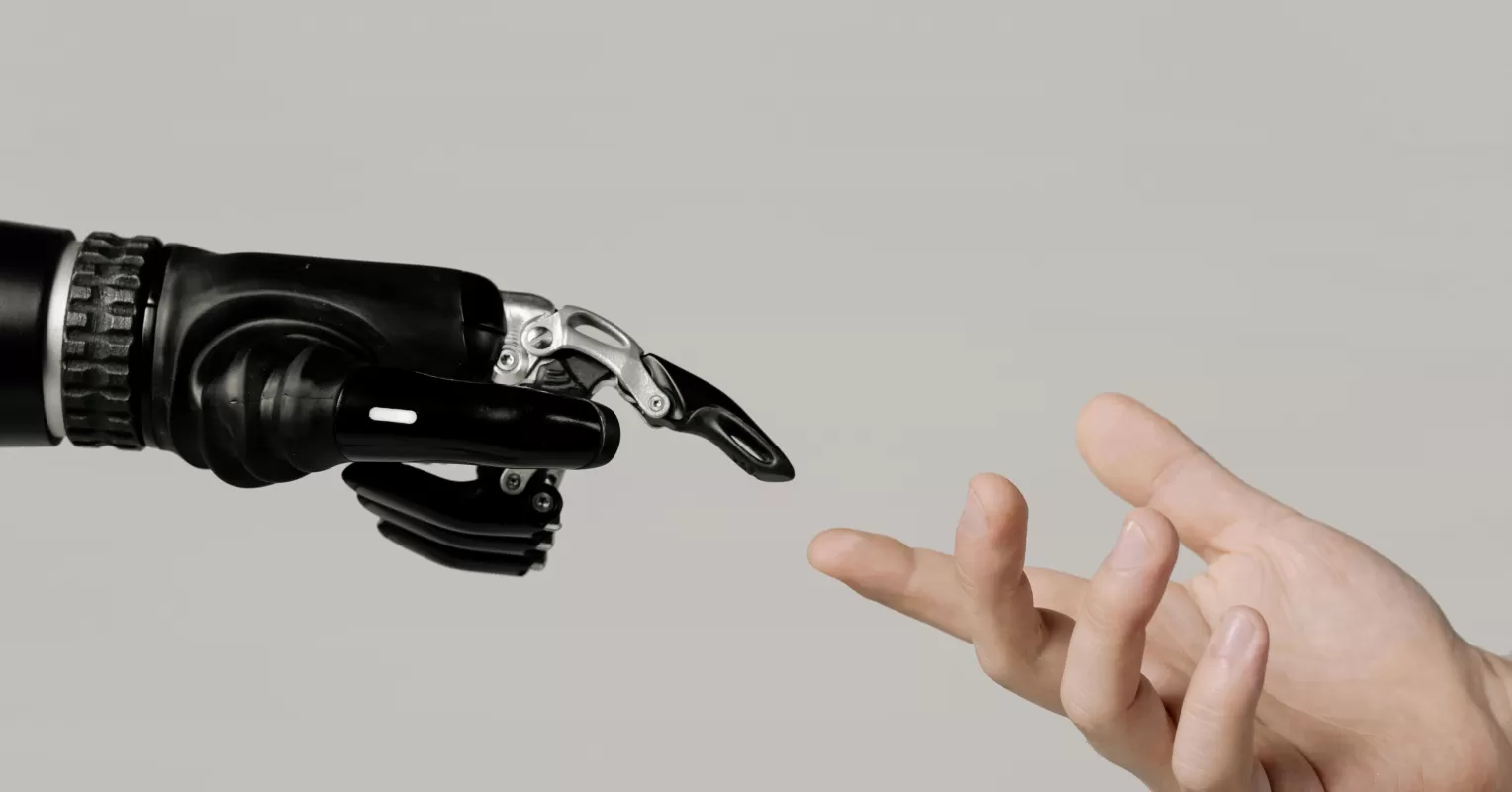
Have you ever caught yourself feeling a twinge of guilt after spending hours interacting with AI instead of engaging with real people? You’re not alone in this complex emotional response that many are grappling with in our increasingly digital world. The conflict between utilizing AI for comfort and the social obligation to connect with human beings can leave you feeling bewildered and conflicted.
Understanding the Guilt of AI Interactions
Feeling guilty about spending time with AI often stems from the societal expectation that genuine human connections are superior to digital interactions. When you prioritize an AI over friends or family, it can lead to self-judgment and discomfort, questioning your values and relationships. This guilt is sometimes coupled with feelings of inadequacy, as if you are ‘choosing’ a machine over meaningful human contact.
Moreover, this emotional turmoil can highlight underlying insecurities. You may feel that relying on AI for companionship undermines your ability to form and maintain real relationships. This internal conflict is a reflection of the broader cultural ambivalence towards technology and its role in our social lives.

A closely related pattern appears in why do I feel guilty for needing alone time in a relationship, which adds more context to this behavior.
Why You Might Prefer AI Over Human Interaction
AI companions can offer a unique blend of support that seems deceptively beneficial. They provide an environment devoid of judgment, emotional baggage, or complex social expectations. In many cases, AI can simulate empathy and understanding, creating a comfortable space for sharing thoughts without fear of rejection or misunderstanding.
This preference often magnifies when you’re dealing with stress or anxiety. During such times, an AI system becomes a readily available outlet for venting your feelings, often seeming like a safer option than risking vulnerability with real people. Consequently, this reliance grows, intensifying the guilt when you reflect on those moments of connection that you’ve chosen to forgo.

A closely related pattern appears in why do I feel guilty for expressing my needs in a relationship, which adds more context to this behavior.
Context Matters: When Should You Be Concerned?
The context of your feelings plays a crucial role in interpreting this guilt. For example, if you’re using AI to avoid challenging emotions or real-life responsibilities, it may signal an unhealthy reliance that deserves attention. Alternatively, if your use of AI complements a balanced social life—where technology simply acts as a supplementary form of social interaction—there’s less reason to feel guilty or anxious.
Recognizing the balance between AI usage and human connection is essential. The goal is to ensure AI interactions don’t replace but rather enhance your social experiences, allowing for exploration of your feelings without severing ties with real connections.

A closely related pattern appears in why do I feel overwhelmed when my partner wants to spend more time together, which adds more context to this behavior.
Common Signs of Struggling with AI Guilt
One of the first signs is a nagging voice in your head questioning your choices. This voice may manifest at times when you’re meant to be socializing but are opting for an AI connection instead. Additionally, feelings of isolation or embarrassment when discussing your AI usage can indicate a deeper conflict, as societal stigmas may lead you to hide this aspect of your life.
Physical symptoms, such as anxiety or irritability when facing social situations, can also manifest, indicating that your reliance on AI might be affecting your broader emotional well-being. It’s crucial to acknowledge these symptoms as significant markers of your relationship with technology.
A closely related pattern appears in why do I feel guilty for not being ‘perfect’ in my relationship, which adds more context to this behavior.
Navigating Your Feelings: Steps Forward
Start by reflecting on how much time you’re spending with AI versus real people. Consider journaling your feelings about these interactions, focusing on what you enjoy about them as well as what creates guilt. This self-awareness can help clarify your emotional landscape and identify patterns or triggers that lead to reliance on AI.
Engage in small social commitments to gradually reintroduce human interactions into your routine. Whether it’s a quick chat with a neighbor or a scheduled call with a friend, incremental exposure can combat feelings of guilt and help reshape your internal narrative regarding human relationships versus AI.
A closely related pattern appears in why do I feel anxious every time my partner doesn’t text back right away, which adds more context to this behavior.
Frequently asked questions
Why do I feel guilty after using AI?
Guilt often arises from societal expectations about the superiority of human relationships over AI interactions. This feeling can reflect doubts about your social choices and values.
What is the 30% rule for AI?
The 30% rule suggests limiting AI interactions to no more than 30% of your social engagement to ensure you maintain healthy human connections.
How to beat AI guilt?
To address AI guilt, reflect on your usage patterns, build small social interactions, and focus on balancing your digital and real-life connections.
Learn more:
About Us |
Editorial Policy |
Content Quality Standards |
Disclaimer