
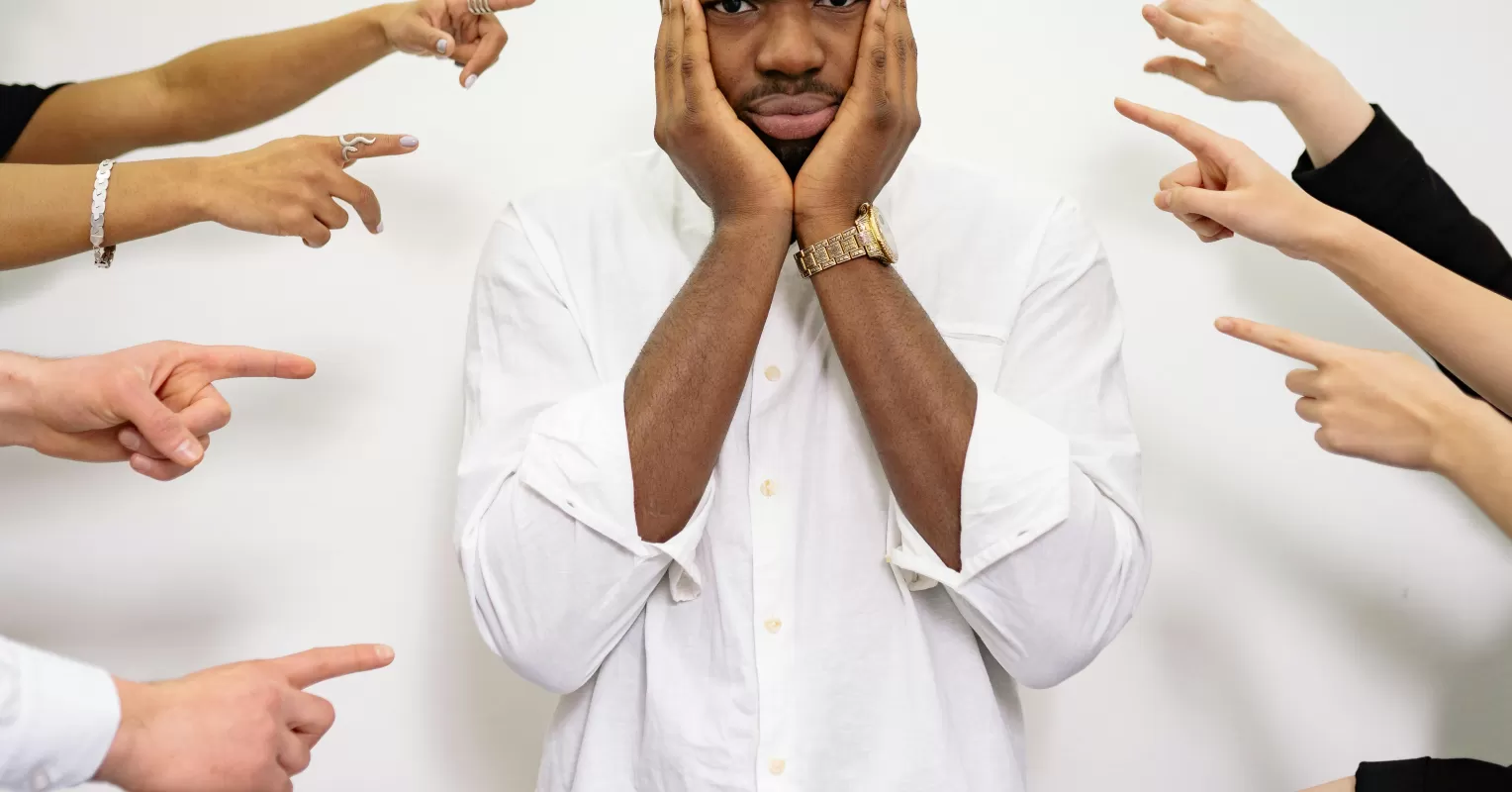
Feeling a wave of vulnerability wash over you, only to be met with rejection, can be soul-crushing. You might find yourself asking, “Why does this hurt so much?” It’s a frightening thing to put your heart on the line, especially when societal expectations push men to stay stoic. This article explores what really happens when a man bravely tries to open up but gets shut down instead.
Understanding Vulnerability and Rejection
When a man chooses to be vulnerable, he’s often taking a significant emotional risk. Vulnerability might include expressing fears, doubts, or deep feelings—elements that society frequently assigns as weaknesses. However, this brave act of sharing can lead to feelings of rejection that cut deep, particularly because masculinity often dictates that men shouldn’t express these emotions.
The crux of the issue is that many men grow up in environments where emotional expression is met with ridicule or the ‘man-up’ mentality. Thus, when vulnerability is met with rejection, it can trigger feelings of shame and confusion, making them retreat further into their shells.

A closely related pattern appears in why am I afraid to be vulnerable with my partner, which adds more context to this behavior.
Why This Reaction Happens
Rejection after a moment of vulnerability can occur due to various reasons, such as the listener’s own discomfort with emotions or deeply ingrained societal norms. Many individuals are not equipped to handle the raw honesty that vulnerability brings; it can challenge their viewpoints or push them out of their comfort zones.
In many cases, when a man opens up, he may anticipate support and understanding but ends up facing dismissal instead. This experience can reinforce the belief that openness is unsafe, leading to increased emotional detachment and a reluctance to share feelings in the future.
A closely related pattern appears in why do I question my friendships when I’m feeling lonely, which adds more context to this behavior.
Cultural Influences on Vulnerability
The narrative surrounding masculinity constantly reinforces that men should be strong and unemotional. This cultural backdrop creates a paradox: men are told to be vulnerable, yet are often shamed when they do so. This dissonance can make men question their worth and fear further rejection, making it difficult to find spaces where they feel accepted for their true selves.
It’s important to note that this isn’t just a personal battle; it’s also societal. Many men today are caught in a conflicting space where they desire emotional freedom but fear societal judgment, leaving them in a struggle to find their voice.

A closely related pattern appears in why do my kids prefer screens over real-life friends, which adds more context to this behavior.
Signs of Vulnerability and Rejection Impacting Behavior
When faced with rejection after being vulnerable, a man might display several behaviors: withdrawal, anger, or even frustration. The act of opening up can lead to a retreat into isolation, where the fear of future vulnerability looms larger than the potential for connection.
It’s important not to interpret these behaviors as a lack of desire for connection; rather, they may signal a deep emotional crisis. Often, men may mask their hurt or shame with anger or avoidance, leaving them feeling more isolated than before.
A closely related pattern appears in what makes adult friendships feel less fulfilling, which adds more context to this behavior.
Takeaways for Moving Forward
Understanding the complexities of vulnerability in the face of rejection is crucial. Acknowledging that both individuals may be navigating societal expectations can create compassion in moments of misunderstanding. It can be beneficial to encourage open dialogue about emotions, helping men and their partners to create safe spaces for vulnerability.
If you’re a man who has felt this way, remember that it’s okay to seek support. Engaging with trusted friends or communities that value emotional expression can help alleviate the fear around vulnerability, making it less daunting over time.
A closely related pattern appears in what does it mean when a man shows interest but doesn’t follow through, which adds more context to this behavior.
Frequently asked questions
How does a man act when he feels rejected?
A man who feels rejected may retreat emotionally, display frustration, or mask his feelings with anger. This behavior often stems from a desire to protect himself from further pain.
Why do men pull away after being vulnerable?
Men might pull away after being vulnerable because rejection can reinforce feelings of shame and inadequacy. To avoid further emotional hurt, they might retreat into silence.
What is the biggest red flag in a guy?
A significant red flag can be how a man handles vulnerability. If he frequently dismisses emotions or responses to vulnerability with ridicule, it may indicate an inability to connect on a deeper level.
Learn more:
About Us |
Editorial Policy |
Content Quality Standards |
Disclaimer