

If you’re wondering what it means if a colleague avoids helping you, you’re not alone. Many people find themselves puzzled when they ask for assistance at work and receive silence or indifference in return. This behavior can leave you feeling confused about your relationships and your role in the workplace. Let’s explore the possible reasons behind this behavior and what it could mean for you.
Direct Interpretation: Avoidance in the Workplace
When a colleague avoids helping you, it can feel like a personal slight, but often it isn’t as clear-cut. This behavior could be a sign of various underlying dynamics, like competition, lack of trust, or simple disinterest in the task at hand. In many cases, such avoidance may stem from a reluctance to engage, indicating that the colleague might not feel comfortable, capable, or invested in your projects.
It’s essential to recognize that workplace relationships often depend on more than just duties and responsibilities; they’re significantly influenced by personal dynamics, emotional connections, and even workplace politics.

A closely related pattern appears in what does it mean when my partner avoids emotional conversations, which adds more context to this behavior.
Why This May Be Happening
Several factors can contribute to a colleague’s decision to avoid helping you. One possibility is that they feel overwhelmed by their own workload and can’t prioritize your request. Alternatively, they might lack the resources or knowledge to assist you effectively. It’s also plausible that interpersonal dynamics, such as past conflicts or perceived competition, play a role. For instance, do they believe helping you might hinder their own progress?
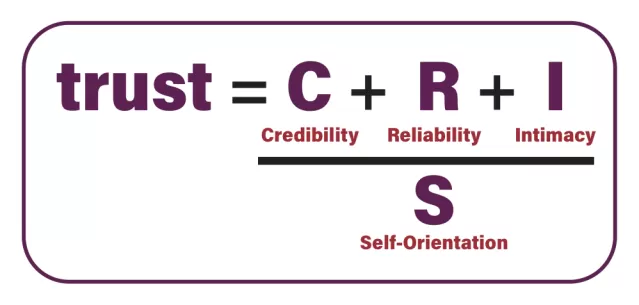
Another angle to consider is emotional resonance. A colleague may simply not trust you enough to engage, a dynamic often influenced by past experiences or the culture of the workplace. If you’ve previously encountered disagreements or unspoken tensions, that history may lead to hesitance when it comes to providing help.
A closely related pattern appears in what does it mean if my partner avoids financial discussions, which adds more context to this behavior.
Understanding the Context: What This Could Mean
Exploring the context behind a colleague’s behavior is crucial. If they’re generally supportive but have recently changed, it might suggest personal issues or stressors affecting their work life. Conversely, if avoiding help is consistent, this may indicate a broader lack of collaboration within the team, highlighting a potential cultural issue that needs addressing.
Additionally, your relationship with this colleague can significantly influence their willingness to help you. Have you invested time in building rapport? If not, it might lead them to perceive you more as a transactional connection rather than a colleague deserving of collaboration.

A closely related pattern appears in what does it mean when my partner avoids certain conversations, which adds more context to this behavior.
What Not to Assume Too Quickly
It’s easy to jump to conclusions about your colleague’s intentions. However, it’s vital to avoid assuming that their behavior reflects a lack of interest in you personally or a negative judgment about your abilities. Often, external influences or pressures motivate their actions. For instance, they might be dealing with their challenges that require more attention than usual.
Instead of taking it personally, consider reaching out to clarify their situation or express your need for assistance. This can open up the lines of communication and potentially resolve misunderstandings.
A closely related pattern appears in what does it mean when my partner feels distant after a good day together, which adds more context to this behavior.
Navigating Future Interactions: How to Foster Support
Improving your chances for future support from colleagues starts with relationship building. Take the time to engage with them about their own work, share insights, or offer help when you can. Establishing a cycle of give-and-take can transform a solitary work environment into one of collaboration and mutual assistance.
Moreover, don’t hesitate to express how their support would make a difference. Clear, respectful communication demonstrates your appreciation for their efforts and fosters a culture of openness.
A closely related pattern appears in what does it mean when my date seems distant after a good time, which adds more context to this behavior.
Frequently asked questions
What to say when a coworker is not helping?
Approach your colleague with a neutral tone, expressing that you noticed they haven’t been able to assist. Ask if there’s something hindering their ability to help and clarify how their support would be valuable to you.
What is the biggest red flag at work?
One significant red flag is when colleagues consistently avoid collaboration and support. This can indicate deeper issues within team dynamics or workplace culture.
What are signs you’re not valued at work?
Signs may include colleagues ignoring your requests for help, lack of engagement in conversations about your projects, or a perceived absence of support from your team.
Learn more:
About Us |
Editorial Policy |
Content Quality Standards |
Disclaimer