
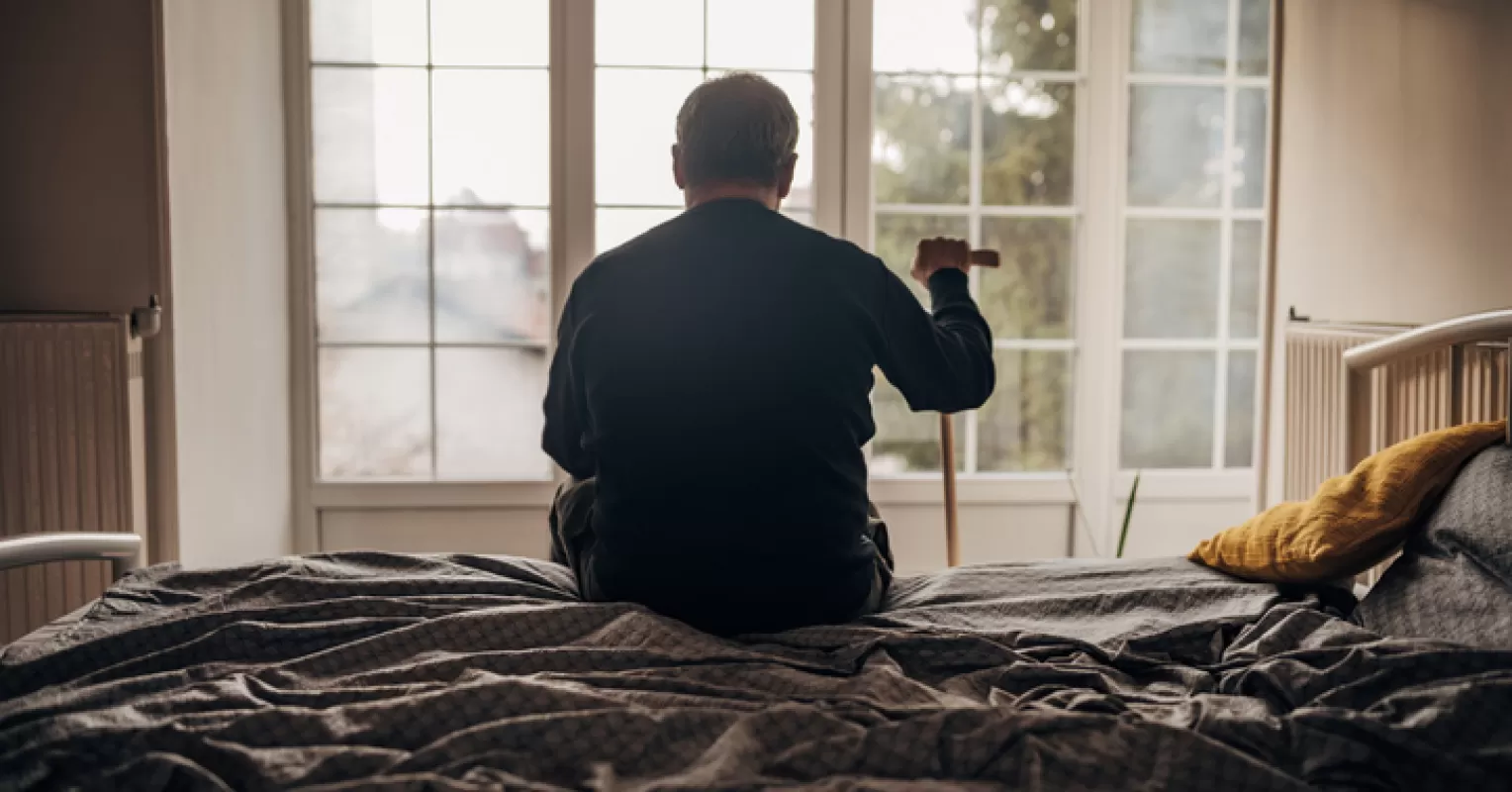
Have you noticed how often seniors in your life seem to fade into the background, almost invisible to those around them? This feeling is more common than you might think and ties deeply into their emotional well-being. Recognizing seniors can significantly help reduce these feelings of invisibility, transforming their experiences of loneliness into connections of purpose and value.
Understanding Invisibility Among Seniors
It’s heartbreaking but real—many seniors experience profound feelings of invisibility, struggling with the belief that their existence no longer matters. This phenomenon can stem from various social dynamics, including reduced social interactions, mobility issues, or a lack of recognition from younger generations. For many, aging can begin to feel like fading into the background of life rather than participating in it meaningfully.
When older adults feel invisible, it’s not just a passing emotion. It can lead to severe consequences, affecting their mental health and overall quality of life. The deep-seated fear is not only about being alone but also about feeling unvalued. Recognition can counteract this by creating a sense of belonging and validation.

A closely related pattern appears in am I afraid of asking for help because it feels like weakness, which adds more context to this behavior.
Why Recognition Matters
Recognition plays a crucial role in fighting the loneliness that often accompanies the aging process. Research indicates that when seniors feel that they matter, their emotional state improves significantly. It acts as a protective shield against feelings of despair and disengagement.
Small, meaningful gestures—like asking for their opinions, sharing stories, or simply spending time with them—can ignite their sense of purpose. By affirming their worth, we can help transform the narrative from one of decline to one of continued contribution and value.

A closely related pattern appears in why does music remind me of my past relationships, which adds more context to this behavior.
The Psychological Impact of Feeling Unseen
The psychological implications of feeling invisible are profound. As loneliness combines with the sense of being unimportant, seniors may experience a detrimental cycle that leads to depression or even suicidal thoughts. This ‘double jeopardy’ of aging makes recognition not just a nice gesture but a vital necessity for emotional health.
Understanding this pattern is key. While society may view older adults as mere recipients of care, recognizing their strengths and contributions can effectively counter negative perceptions, restoring dignity and resilience.

A closely related pattern appears in how to transition from small talk to deeper conversations without feeling awkward, which adds more context to this behavior.
Signs of Invisibility and Their Effects
Identifying signs of invisibility in seniors can be subtle yet revealing. Look for an increase in withdrawal from social situations, changes in communication, or expressions of feeling unimportant. These signs often indicate a deeper struggle with worthiness and connection.
It’s essential to approach these indicators with empathy and understanding. Acknowledging their feelings without quick assumptions can create a safe space for open dialogue, fostering stronger relationships that help mitigate feelings of loneliness.
A closely related pattern appears in signs I might be using dating apps to fill a void, which adds more context to this behavior.
Practical Ways to Acknowledge Seniors
So, how can we actively help seniors overcome feelings of invisibility? Start by involving them in conversations—ask for their advice or thoughts on family matters. Encourage their participation in community activities or mentorship roles to boost their sense of purpose.
Moreover, adjust the narrative surrounding aging. Illustrate their strengths and experiences positively. Highlight stories of resilience, creativity, and humor that seniors bring into our lives, ensuring they feel valued and necessary in every interaction.
A closely related pattern appears in why is it hard to connect with people who have different beliefs, which adds more context to this behavior.
Frequently asked questions
Why do seniors feel invisible?
Seniors often feel invisible due to social isolation, lack of engagement, or the perception that their contributions no longer matter. This feeling can be exacerbated by decreased social interactions and mobility issues.
What can help if a person is experiencing feelings of invisibility and isolation?
Encouraging social interaction, involving them in decision-making, and recognizing their contributions are critical. Simple acts of kindness and acknowledgment can significantly improve their emotional state.
How to stop feeling invisible and unwanted?
Identify opportunities for meaningful interactions—whether through conversations, community roles, or shared interests. Display consistent recognition of their worth and contributions to affirm their presence.
Learn more:
About Us |
Editorial Policy |
Content Quality Standards |
Disclaimer