
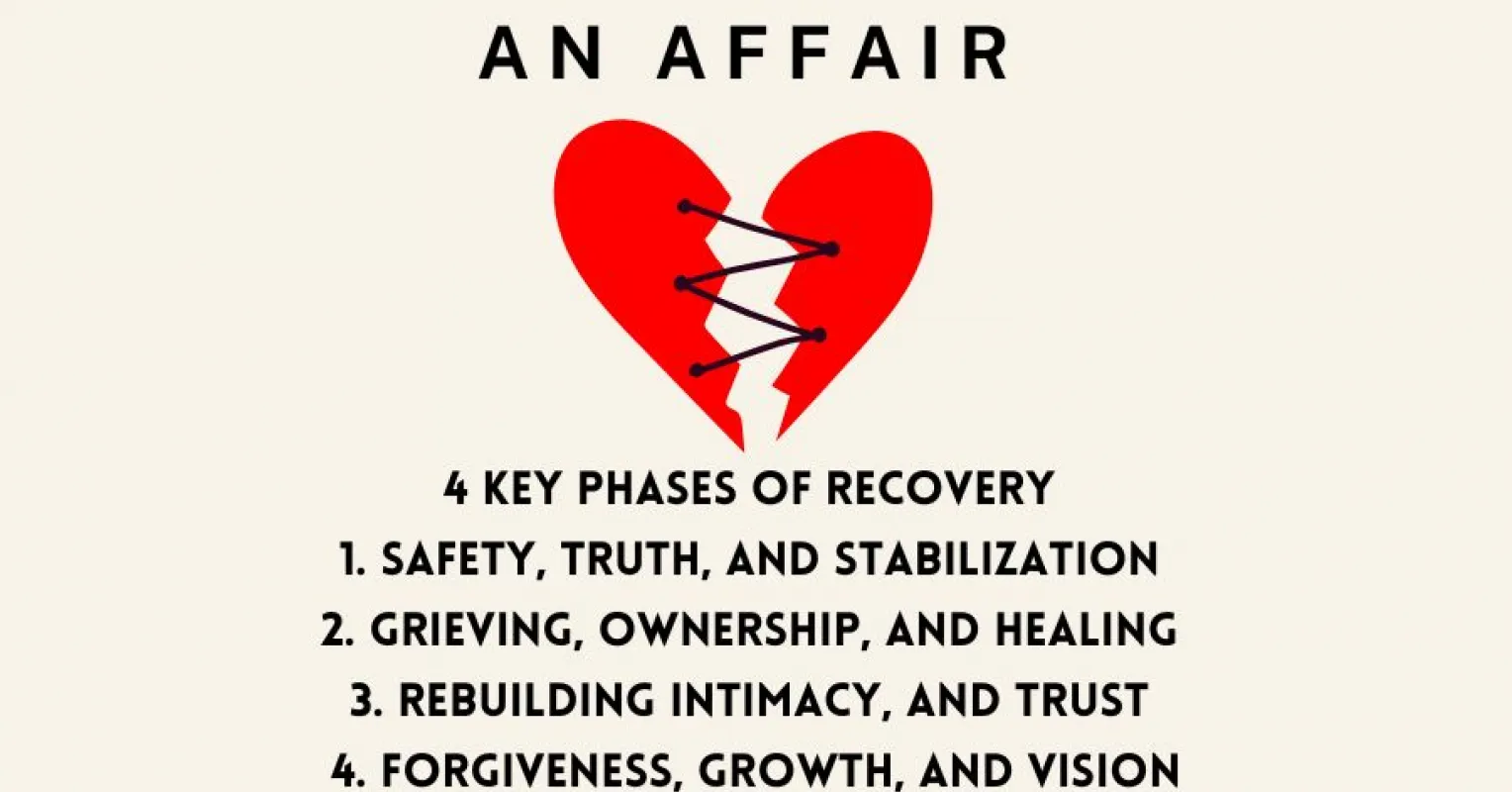
You may be experiencing a wave of confusion and grief, wondering, “Why does my partner feel distant after infidelity?” This feeling is not uncommon, especially in the emotionally charged aftermath of a betrayal. Infidelity can shatter trust, leaving both partners grappling with overwhelming emotions, but the distance might feel like an insurmountable chasm, making it hard to reach each other.
The Emotional Trigger: Understanding Distance After Betrayal
After an affair is revealed, it’s natural for partners to feel a withdrawal. This emotional distance can manifest in various forms, often as a coping mechanism. Your partner might be overwhelmed with guilt, shame, or sadness, leading to a retreat into their own internal world. This behavior can be misinterpreted as indifference or lack of care, but it often signals a deep struggle with their own feelings about the infidelity.
Recognizing that this distance serves a purpose—whether it’s self-protection or an attempt to process emotions—can help you navigate the turbulent waters of your relationship. Understanding this can foster patience and keep the lines of communication open, even when it feels challenging.

A closely related pattern appears in why do I feel distant from my partner even when trying to reconnect, which adds more context to this behavior.
Why Your Partner Might Be Pulling Away
There are several reasons your partner may feel distant. Emotional coping mechanisms often play a significant role. They might be grappling with guilt and internal conflict about their choices or feeling anxious about your reaction. In fact, in many cases, their withdrawal can be a way of managing overwhelming emotions—both theirs and yours.
Furthermore, significant changes in relationship dynamics post-infidelity can trigger feelings of uncertainty. Your partner might worry about how to rebuild trust or fear that any interaction might reignite pain. Such emotional turmoil can lead to distancing behavior.
A closely related pattern appears in why do I feel more connected to someone who is distant, which adds more context to this behavior.
The Context Matters: Individual Differences in Coping
It’s essential to recognize that everyone handles trauma differently. Factors such as personal history, attachment styles, and emotional resilience can influence how each partner responds. For instance, someone with a more anxious attachment style may cling closer when faced with conflict, while others may withdraw further.
Understanding this variability can prevent hasty judgments. One possibility is that your partner’s distance is more about their internalized feelings than a lack of commitment or concern for the relationship.

A closely related pattern appears in why do I feel more distant from my partner even after we both care, which adds more context to this behavior.
What Not to Assume: Misinterpretation of Distance
While it’s tempting to assume that their distancing means they don’t care, it is vital to avoid jumping to conclusions. Feeling distant can be mixed with regret and fear rather than a desire to end the relationship. Misinterpretation can lead to communication breakdowns, creating a cycle of misunderstanding.
Remember, their distance does not always equate to emotional detachment. Often, it’s a sign that they are struggling to come to terms with their actions and the impact on both of you. Open and honest dialogue plays a crucial role in clarifying intentions and feelings.
A closely related pattern appears in why am I feeling distant from my partner during the colder months, which adds more context to this behavior.
Building a Path Forward: Steps to Reconnect
To bridge the emotional gap, consider starting with gentle, open conversations. Encourage your partner to express their feelings without fear of judgment. It’s important to create a safe space where both of you can explore your emotions together.
Additionally, working with a therapist can provide a guided approach to rebuilding intimacy and trust. Mutual support in the healing process can transform the distance into a stepping stone for deeper connection rather than a barrier.
A closely related pattern appears in why do I feel my partner is distant after a fight, which adds more context to this behavior.
Frequently asked questions
Why is he distant after cheating?
His distance may be a coping strategy to manage feelings of guilt, shame, and fear about the relationship’s future. It can also indicate his internal struggle to process the consequences of his actions.
Can a relationship survive after cheating?
Yes, many relationships can survive infidelity, especially with open communication, mutual commitment to healing, and possibly professional support to navigate the complexities of rebuilding trust.
How to help your partner heal from betrayal trauma?
Supporting them involves being empathetic, encouraging open dialogue about feelings, and seeking therapy together to create a structured approach to healing.
Learn more:
About Us |
Editorial Policy |
Content Quality Standards |
Disclaimer