

You’re not alone if you feel like you can’t depend on anyone in relationships. This feeling often surfaces in moments of vulnerability, leaving you questioning why emotional connections feel heavy or unsafe. Understanding this sensation can illuminate underlying patterns of behavior and emotional responses that you may not have fully recognized before.
Understanding the Fear of Dependence
At its core, feeling like you can’t depend on anyone can stem from a deeply ingrained fear of emotional vulnerability. This fear often arises from past experiences where your emotional needs may have been unmet, leading to a defensive stance against reliance. In many cases, this defense mechanism is a way of protecting oneself from potential pain or disappointment.
When you grow up in an environment where emotional needs aren’t adequately addressed, it can create a narrative that you must fend for yourself. This might manifest as counter-dependence, where you avoid forming close attachments, believing that asking for help signals weakness. It’s crucial to recognize whether this resonates with your experiences.

A closely related pattern appears in why do I feel more like friends than lovers in my long-term relationship, which adds more context to this behavior.
The Roots of Emotional Detachment
This emotional detachment often has roots in childhood experiences, particularly if you faced emotional neglect. Children who grow up without consistent emotional support may internalize the belief that expressing needs is unsafe. They learn to suppress their feelings, leading to a myriad of complications in adult relationships.
As a result, when faced with intimacy, you may feel a strong urge to retreat or dismiss others’ attempts to connect. The paradox is that while the instinct to remain independent feels like a safeguard, it often leads to loneliness and unfulfilled desires for deeper connections.
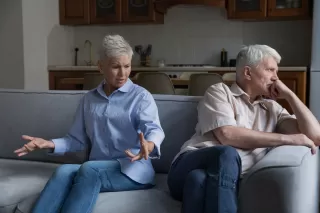
A closely related pattern appears in why do I feel like I’m sabotaging my relationship when things are going well, which adds more context to this behavior.
Recognizing the Signs of the Pattern
It’s essential to be aware of the signs that indicate a struggle with dependence. You might find yourself avoiding emotional discussions, feeling uncomfortable when others express their needs, or even feeling detached during moments when connection is most vital. These behaviors often stem from ingrained fear and habitual responses.
Also, you may experience symptoms like feeling trapped in your own feelings or fantasizing about escaping everyday life, highlighting a yearning for connection that feels thwarted by your fears. Recognizing these signs is the first step toward fostering healthier relationships.

A closely related pattern appears in why do I feel disconnected after small talk with someone I like, which adds more context to this behavior.
What Not to Assume
It’s easy to assume that feeling unable to depend on others is a flaw in one’s character. However, this perspective can be misleading. Understand that this behavior is often a learned response, shaped by past experiences rather than an inherent weakness. Adapting a compassionate view of your history can help dismantle self-blame and promote healing.
One common misconception is that independence equates to strength. In truth, the ability to depend on others is a key component of relational strength, allowing for mutual support and emotional resilience. Recognizing this distinction can help shift your mindset toward healthier dependency.
A closely related pattern appears in why do I feel like I’m losing my emotional connection with my partner, which adds more context to this behavior.
Steps Towards Emotional Connection
Building a stronger capacity for dependence often starts with small, manageable steps. Begin by identifying what support means to you and experiment with being vulnerable in safe environments. It might involve opening up to a trusted friend or expressing your needs in low-stakes scenarios.
Additionally, consider reflecting on your past and how it has shaped your current beliefs. Exploring these feelings—perhaps through journaling or therapy—can lead to profound insights and gradual change. Ultimately, fostering emotional connections can transform your relationships, allowing you to depend on others without fear.
A closely related pattern appears in why do I feel like I need closure from my unloving parent even now, which adds more context to this behavior.
Frequently asked questions
What is the 65% rule in relationships?
The 65% rule suggests that in healthy relationships, you should be able to depend on your partner for about 65% of your emotional needs. This allows for individuality while fostering mutual support.
How do you tell if you are the problem in a relationship?
Signs you might be the problem can include recurrent conflict, emotional withdrawal, or patterns of pushing others away. Self-reflection and open communication can help clarify your role in relationship dynamics.
What is pocketing in a relationship?
Pocketing is when one partner keeps the other hidden from friends or family. This behavior can create feelings of insecurity and lead to feelings of being undervalued in the relationship.
Learn more:
About Us |
Editorial Policy |
Content Quality Standards |
Disclaimer