
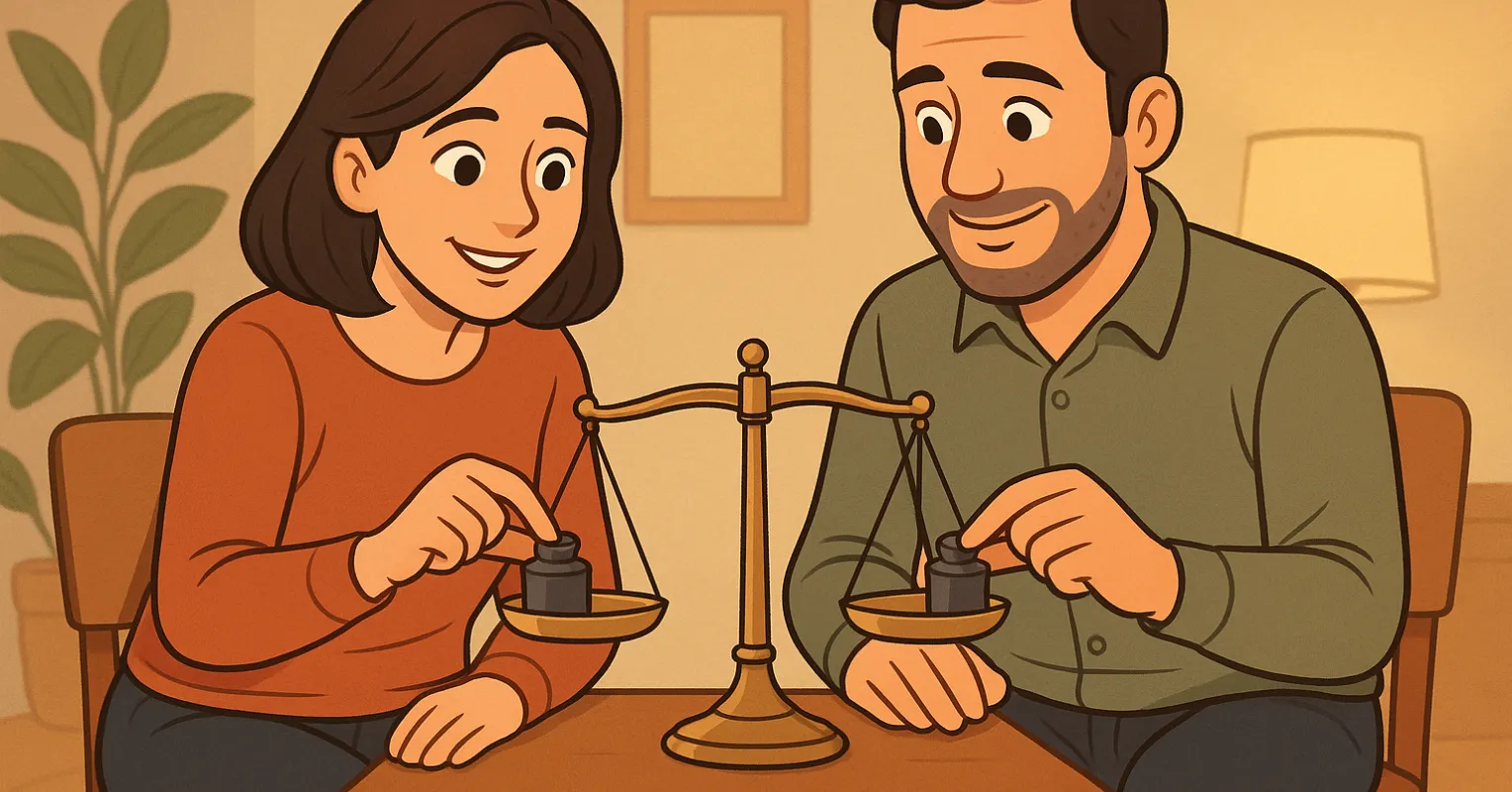
Have you ever found yourself feeling resentful about your partner’s contributions to your relationship? It can be confusing to experience negative emotions when you love someone, especially when everything appears fine on the surface. This feeling can often signal deeper issues that are worth exploring.
Understanding Resentment in Relationships
Feeling resentful can happen when one partner perceives a lack of effort or equality in contributions. Perhaps it manifests in everyday chores, emotional support, or financial responsibilities. Whatever it may be, this emotion often indicates that something feels off balance or unacknowledged.
It’s essential to understand that these feelings are rarely about one specific action. Instead, resentment often builds over time as small grievances accumulate. Therefore, acknowledging the presence of resentment is a vital first step in addressing it.

A closely related pattern appears in why do I feel like nobody cares about my contributions, which adds more context to this behavior.
Why Resentment May Happen
One reason resentment may occur is unrealistic expectations. Many people enter relationships with a clear idea of how things should function, often based on societal norms or personal experiences. When reality falls short of these expectations, frustration can set in.
Moreover, differences in personality, upbringing, or love languages can influence how contributions are perceived. For instance, if one partner values acts of service while the other prioritizes emotional connection, miscommunication and unmet needs can easily lead to resentment.

A closely related pattern appears in why do I feel anxious every time we discuss our future, which adds more context to this behavior.
Different Meanings Depending on Context
The context can significantly shift the meaning behind these feelings. For example, resentment might surface more strongly after a major life change, such as having a baby or moving to a new city. In these instances, one partner may feel overwhelmed while the other remains unaware of the shifting dynamics.
Recognizing the unique circumstances surrounding these feelings can help unpack the deeper emotional truths at play. It might not simply be about fairness; it could stem from feeling unsupported during a challenging time.

A closely related pattern appears in why do I feel resentful when people don’t respect my boundaries, which adds more context to this behavior.
What Not to Assume Too Quickly
It’s easy to fall into the trap of labeling your partner as ‘lazy’ or ‘selfish’ when feelings of resentment arise. However, it’s crucial to remember that these behaviors might not be intentional. Your partner may not even be aware that their contributions are perceived as lacking.
Before jumping to conclusions, consider discussing how you both view contributions and responsibilities. Open communication can reveal underlying motivations and may shed light on your partner’s perspective, potentially diffusing resentment before it grows.
A closely related pattern appears in why do I feel resentful towards coworkers who disagree with me, which adds more context to this behavior.
Steps to Address and Understand Your Feelings
Start by reflecting on what specifically triggers your feelings of resentment. Is it a particular task or the general division of labor? Recognizing these triggers allows for more focused discussions with your partner.
Engaging in a calm, honest conversation about both your perspectives can lead to a greater understanding. Rather than placing blame, expressing how particular actions affect you can open the door to meaningful changes and a stronger partnership.
A closely related pattern appears in why do I feel resentful when my partner avoids responsibilities at home, which adds more context to this behavior.
Frequently asked questions
What is pocketing in a relationship?
Pocketing refers to when one partner hides the existence of the other from friends, family, or social media, which can lead to feelings of resentment and being undervalued.
What is the 3 6 9 rule in relationships?
The 3 6 9 rule suggests that a relationship should show growth after 3 months, a deeper connection by 6 months, and significant commitment by 9 months to ensure mutual satisfaction.
Learn more:
About Us |
Editorial Policy |
Content Quality Standards |
Disclaimer