
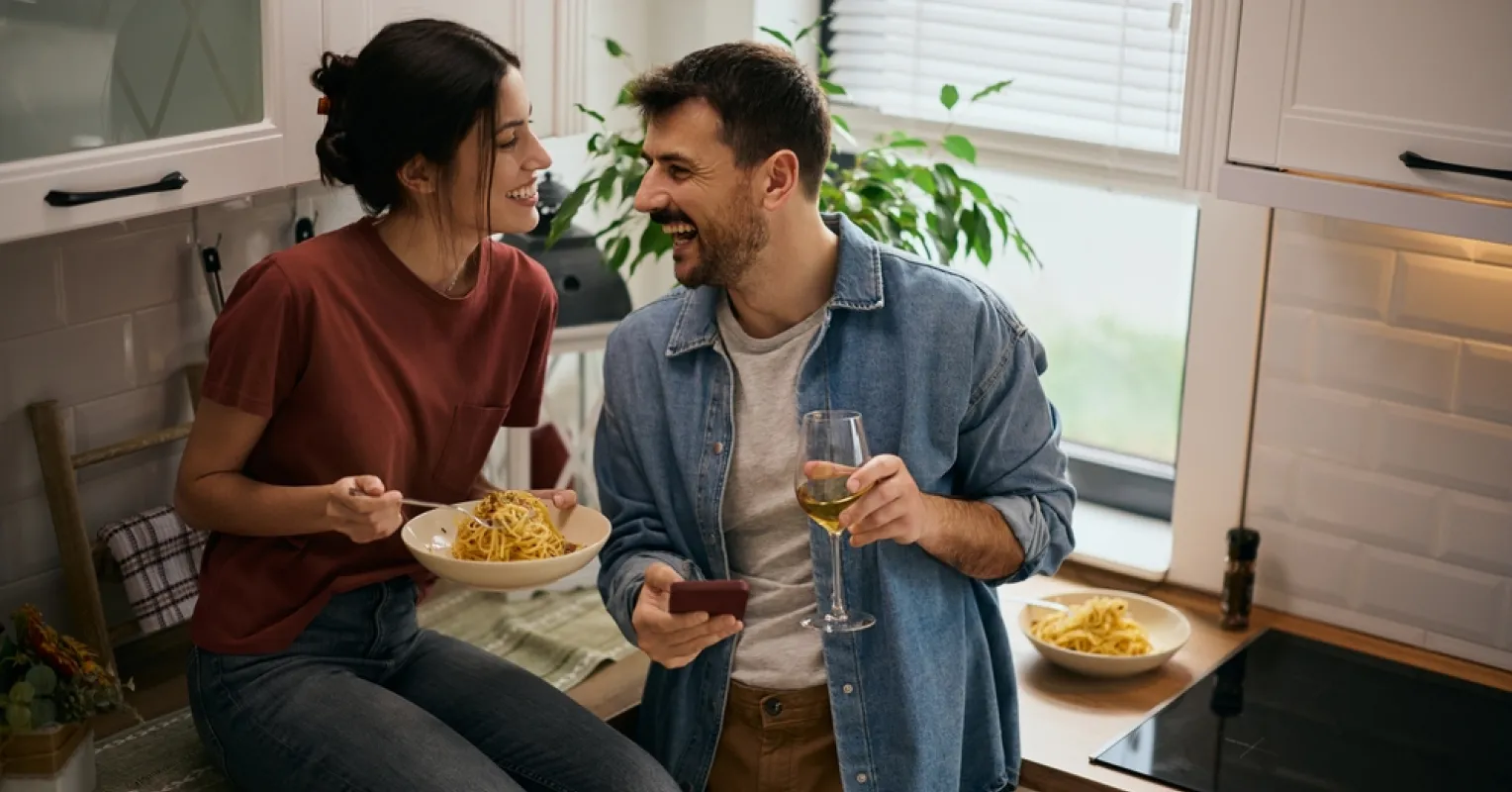
Feeling confused about why you find it difficult to see your partner as your best friend is perfectly natural. This emotional complexity often arises from varied expectations in romantic relationships versus friendships. When your romantic partner doesn’t seamlessly slip into the role of your closest confidant, it can lead to a sense of disconnect that leaves you questioning the depth of both your relationship and your friendships.
Decoding the Disconnection
To understand why your partner may not feel like your best friend, it’s essential to explore the deeper meaning behind that title. A best friend symbolizes a bond built on trust, shared experiences, and unwavering support. While many romantic partners share a close connection, different expectations and the inherent romantic dynamic can sometimes obscure the possibility of viewing each other as best friends.
Many individuals inherently categorize their emotional support networks—seeing friends and partners as fulfilling distinct roles. If your partner does not embody those friendship qualities, it may foster confusion about your relationship’s nature. This distinction is crucial in understanding your emotional landscape.
A closely related pattern appears in why do I struggle to see things from my partner’s perspective, which adds more context to this behavior.
Unpacking the Emotional Distance
Several factors can create a palpable distance between one’s partner and the role of a best friend. Foremost is the challenge of emotional vulnerability; in a romantic relationship, the stakes are often higher, leading to increased pressure when sharing personal thoughts. If you’re hesitant to open up completely, it may feel like you are overwhelming your partner or demanding too much from them emotionally.
Additionally, your history with friendships may impact your perceptions. If you’ve fostered deep connections with friends outside your relationship, you may unconsciously turn to them for the kinds of support and laughter that you seek, unintentionally sidelining your partner in that dynamic.
A closely related pattern appears in how to determine if my ex is actually my friend or has hidden intentions, which adds more context to this behavior.
The Role of Context in Relationship Dynamics
Personal and cultural contexts significantly influence how we perceive the roles of partners and friends. In many cultures, romantic relationships are expected to provide emotional support similar to that of best friends, potentially leading to mismatched expectations. For some, the segregation of friendship and romance can foster strengths in both domains but may inadvertently cloud the intimacy necessary for friendship.
Life stages also play a role in this perception. Younger individuals often have varying priorities, leading to sharper distinctions between friends and romantic partners, whereas older couples may have more integrated support systems.
A closely related pattern appears in what do I do if my grandchildren don’t want to see me anymore, which adds more context to this behavior.
Avoid Assumptions About Relationship Dynamics
It’s vital not to rush to conclusions that the lack of a best-friend bond signifies serious issues in your relationship. Instead, it may highlight different approaches to emotional intimacy between you and your partner. Every relationship has its unique tapestry; these distinct yet complementary dynamics can contribute to a healthy partnership.
Be cautious of comparing your relationship to others. Just because your friends view their partners as best friends does not mandate that you should adopt the same framework.
A closely related pattern appears in what should I do if I feel replaced by AI in my relationship, which adds more context to this behavior.
Enhancing Your Emotional Connection
To address this uncertainty productively, consider initiating a candid conversation with your partner. Discuss your roles, expectations, and how each of you interprets friendship within the context of your relationship. It’s entirely possible to strengthen your bond while recognizing that it doesn’t have to conform to a specific mold.
Taking time to reflect on your needs and how they align with your relationship can lead to greater understanding. By creating shared experiences that cultivate both the romantic and friendship elements of your partnership, you can foster a connection that feels balanced and fulfilling.
A closely related pattern appears in why do I sabotage my relationships when I succeed, which adds more context to this behavior.
Frequently asked questions
What is the 3 6 9 rule in a relationship?
The 3 6 9 rule refers to the idea of addressing specific needs at various stages of a relationship—typically focusing on communication, emotional needs, and time spent together as crucial elements in nurturing closeness.
What is pocketing in a relationship?
Pocketing describes a situation where one partner keeps the other hidden from their social circles or life, essentially minimizing their role in their life, which can create feelings of disconnection.
Learn more:
About Us |
Editorial Policy |
Content Quality Standards |
Disclaimer