
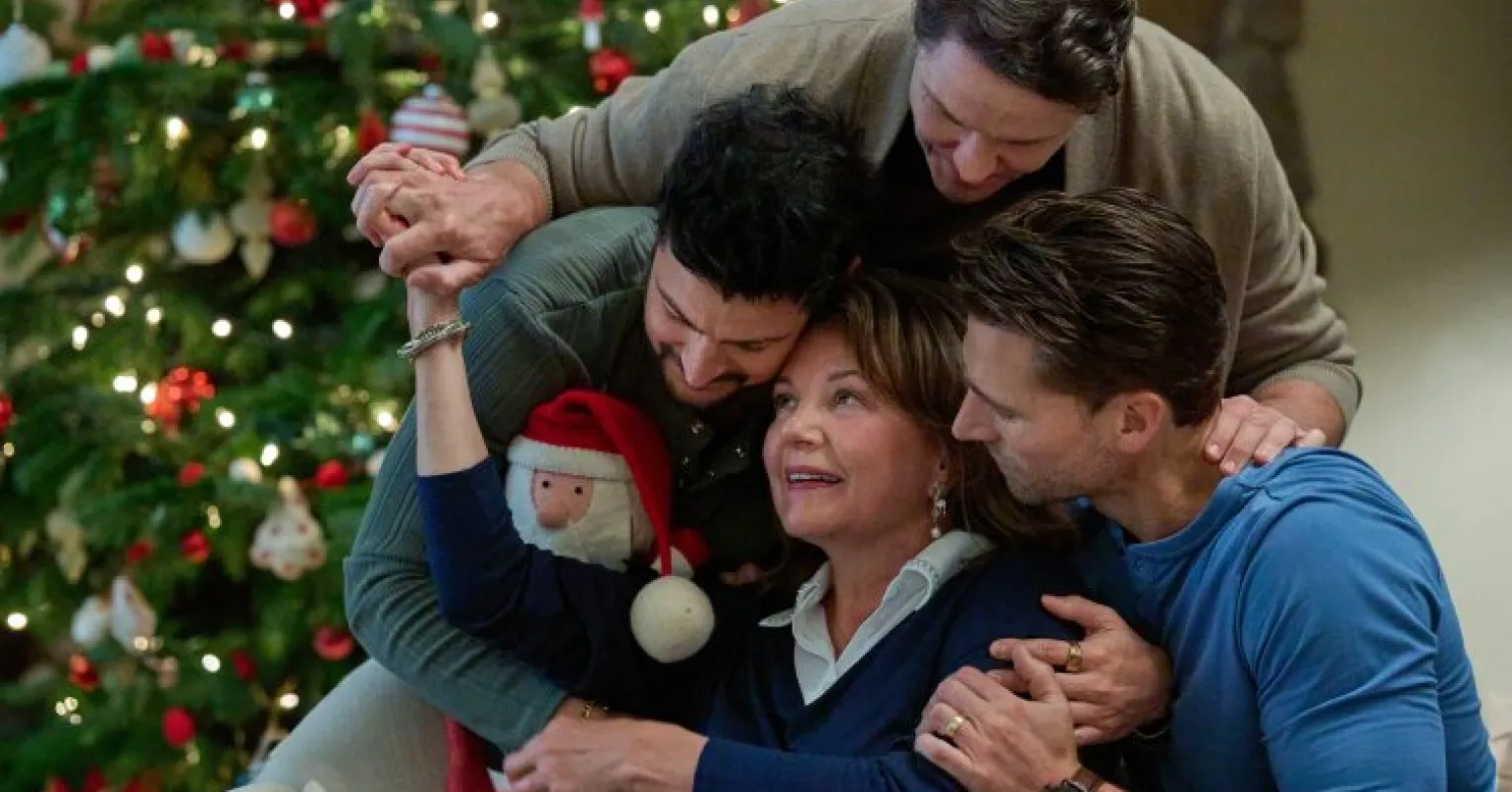
You find yourself questioning why you feel guilty for wanting to change family traditions, even when they no longer resonate with you. It’s a complex emotional space—it can feel both liberating and burdensome. This tension is common for many who yearn for change yet feel an invisible tether to the past.
Understanding the Guilt: What It Means
Feeling guilty about wanting to change family traditions speaks volumes about your connection to your family’s history and values. It suggests that you value those traditions yet struggle with the sense that they may no longer serve you. This guilt often arises from a deeply ingrained sense of loyalty or obligation, highlighting the emotional weight of familial expectations.
In many cases, such feelings can prompt internal conflict: you might wrestle between honoring what has always been and embracing what feels like a natural evolution of identity. It’s not just about the traditions themselves; it’s about the relationships and memories intertwined with them.

A closely related pattern appears in what does it mean when family traditions feel overwhelming, which adds more context to this behavior.
Why This Guilt May Happen
There are several psychological factors at play here. Loyalty to one’s family can create a fear of rocking the boat. Changing traditions often feels like altering the very fabric of familial identity, leading to worries about how these shifts might be perceived. You may wonder if this will disappoint family members or sever emotional ties.
Additionally, social conditioning heavily influences our perception of family. Tradition can be viewed as a marker of security and belonging; deviating from it may feel like you’re destabilizing not just your life but the lives of those you love. This reflexive guilt often arises from a desire for approval and acceptance.

A closely related pattern appears in why do I feel more isolated during the holidays despite being surrounded by family, which adds more context to this behavior.
Context Matters: Different Scenarios
Context plays a crucial role in how these emotions manifest. For example, wanting to skip family traditions might be prompted by personal experiences such as marriage, divorce, or even simply recognizing a need for self-care. Each shift in context can illuminate different facets of your emotional landscape.
It’s essential to understand that your family’s response to change can vary. Some members may support your desire to create new traditions, while others could feel threatened by the disruption. Recognizing the variety of perspectives can help ease some of that guilt, allowing you to approach the situation more holistically.

A closely related pattern appears in what does it mean when my family dynamics make me feel small, which adds more context to this behavior.
What Not to Assume Too Quickly
It’s easy to spiral into assumptions about how your family will react. Often, this guilt can prevent meaningful conversations about your feelings and desires. Avoid the temptation to think that changing traditions will universally lead to conflict or disappointment.
Sometimes, families are more adaptable than we give them credit for. Moreover, many family traditions are seen as an opportunity for growth rather than a strict set of rules. Adopting a mindset that views change as an invitation for dialogue can help mitigate feelings of guilt.
A closely related pattern appears in why do I feel pressure from society to date, which adds more context to this behavior.
Navigating Your Feelings: A Path Forward
Understanding these emotional patterns can provide clarity. Begin by reflecting on which aspects of your family’s traditions are truly meaningful to you, and which simply feel obligatory. This self-awareness can offer a clearer path toward initiating conversations about change.
Consider framing your need for change as a desire to add to the family’s narrative rather than subtract from it. This perspective can help your family see your intentions as a collaborative effort rather than a rejection of their values.
A closely related pattern appears in how do I stop feeling responsible for my family’s emotions during holidays, which adds more context to this behavior.
Frequently asked questions
What are the 7 stages of the family life cycle?
The seven stages of the family life cycle include: single adulthood, coupling, parenting, launching adult children, retirement, and aging. Each stage presents different challenges and opportunities for change in family dynamics.
Are family traditions important?
Yes, family traditions are often seen as vital for fostering closeness, creating shared identities, and providing a sense of belonging. However, their importance can vary from person to person, as individual needs and values evolve.
What are the social effects of changing family structures?
Changing family structures can lead to both positive and negative social effects. While they may create opportunities for new traditions and dynamics, they can also lead to feelings of instability or loss among family members.
Learn more:
About Us |
Editorial Policy |
Content Quality Standards |
Disclaimer