
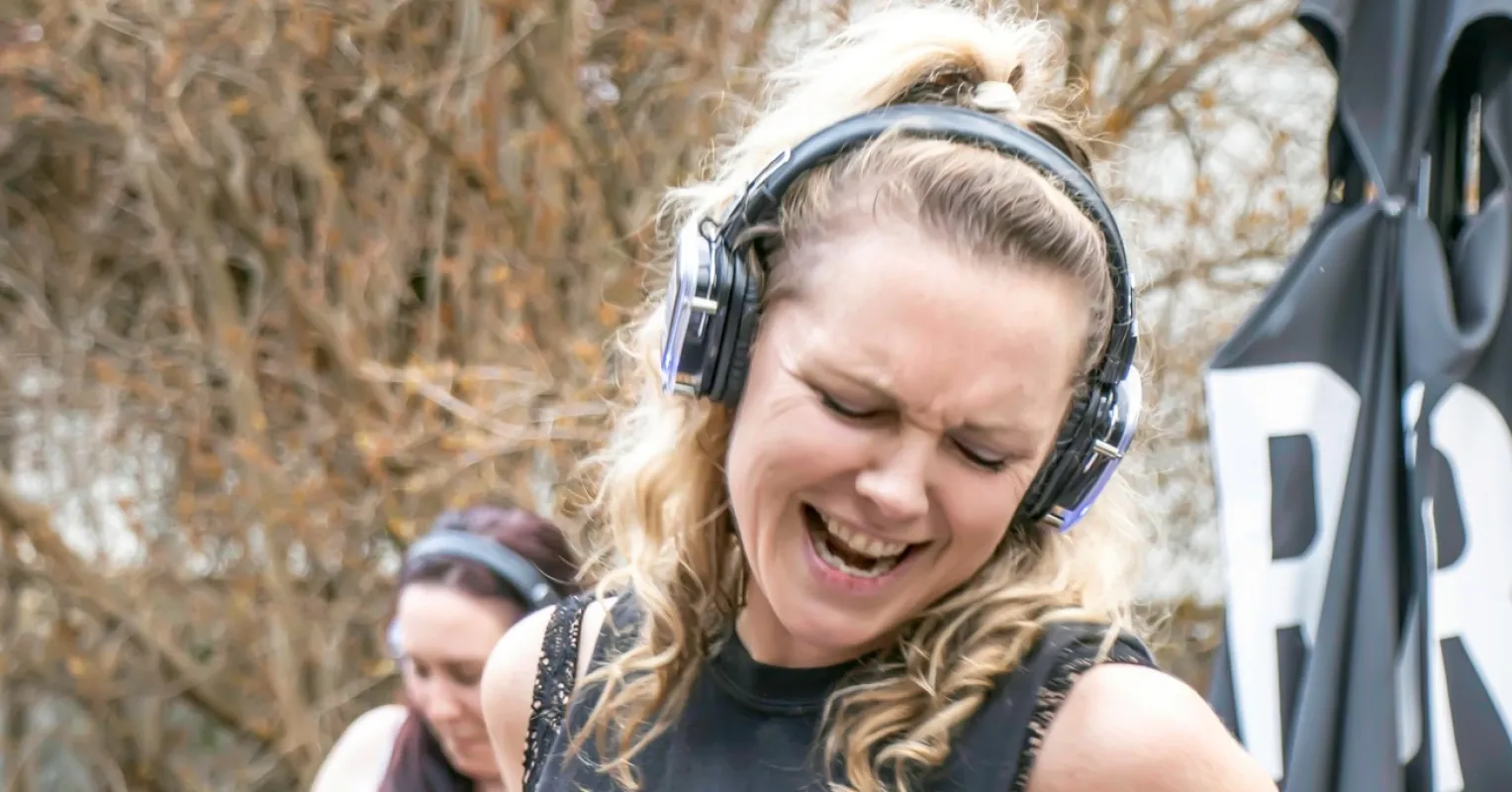
Have you ever found yourself feeling inexplicably closer to someone while dancing? If you’ve experienced this connection, you’re not alone. The intimate rhythm of shared movement can create a profound sense of closeness, often beyond verbal communication, merging bodies and emotions in a way that fosters understanding and intimacy.
The Connection Between Dance and Emotional Closeness
When you dance with someone, you’re engaging in a unique form of communication that transcends words. This connection is often immediate and palpable. Shared motion stimulates both physical and emotional responses, as you synchronize your movements, breathing, and energy levels. It’s as if the very act of dancing allows you to enter a shared emotional realm, creating an unspoken bond that feels deeper than casual interactions.
This closeness can lead to feelings of warmth and understanding, as the dance floor becomes a space where vulnerability feels more accepted. Through dance, barriers are often lowered, allowing individuals to express emotions they may struggle to verbalize.

A closely related pattern appears in what does it mean when I feel drawn to someone but can’t connect emotionally, which adds more context to this behavior.
Why Dancing Brings People Together
The magic in dancing together lies in its ability to foster a sense of belonging. Research suggests that moving harmoniously with others enhances feelings of connection and trust. It encourages synchrony, where individuals adjust their movements to align not only physically but emotionally. This shared experience can facilitate openness, helping individuals connect on a more profound level.
Moreover, dance is inherently social. Whether it’s at a party, a silent disco, or a community event, the collective participation in dance creates an environment rich with support and acknowledgment, leading to stronger relational ties that may not develop through words alone. This shared joy and fun further deepen the sense of unity.

A closely related pattern appears in what does it mean when I feel emotional around people showing kindness, which adds more context to this behavior.
Different Contexts and Their Impact on Feelings of Closeness
The context in which dancing occurs can dramatically influence the emotions involved. For instance, a lively nightclub and a quiet ballroom may cultivate different atmospheres for connection. The energy in a club may ignite passion and excitement, while a more intimate setting might inspire deeper emotional exchanges and vulnerability.
Furthermore, cultural background plays a significant role as well. Different communities may have distinct ways of expressing connection through dance—some may emphasize structure, while others celebrate spontaneity. Each unique context provides a backdrop that shapes how connections are formed and experienced.

A closely related pattern appears in what does it mean when a stranger smiles at you, which adds more context to this behavior.
What Not to Assume About Dancing and Relationships
While feeling closer to someone during dance is common, it’s essential not to jump to conclusions about the nature of that connection. Just because you feel an emotional bond doesn’t automatically imply romantic interest or compatibility. The feelings evoked by dance can be complex, often intertwining with elements of shared experience, proximity, and emotional expression.
Additionally, each person’s emotional response to dancing can vary widely. Some individuals might find themselves yearning for deeper connection, while others may simply enjoy the shared experience without any romantic implications. Understanding this nuance will help nurture healthy expectations in your relationships.
A closely related pattern appears in what does it mean if someone dislikes hugs, which adds more context to this behavior.
How to Nurture Connection Through Dance
If you find joy and connection in dance, consider incorporating more of these experiences into your life. Join community dance classes, attend live music events, or simply engage in spontaneous movement with friends. Each opportunity can deepen existing relationships and foster new ones.
Engaging in dance doesn’t require you to be a skilled performer; it’s about the shared experience and joy of movement. Focus on the connection rather than perfection, allowing the rhythm to guide the process of bonding.
A closely related pattern appears in what does it mean when a person is quiet but still engaged in a conversation, which adds more context to this behavior.
Frequently asked questions
Is dancing with someone flirting?
Dancing can evoke feelings of flirtation, but it doesn’t always indicate romantic interest. The emotional connection can stem from the shared experience rather than a desire for a romantic relationship.
Does dancing create intimacy?
Yes, dancing often creates intimacy through physical closeness and synchronized movement, fostering a deeper emotional connection beyond verbal communication.
Learn more:
About Us |
Editorial Policy |
Content Quality Standards |
Disclaimer