
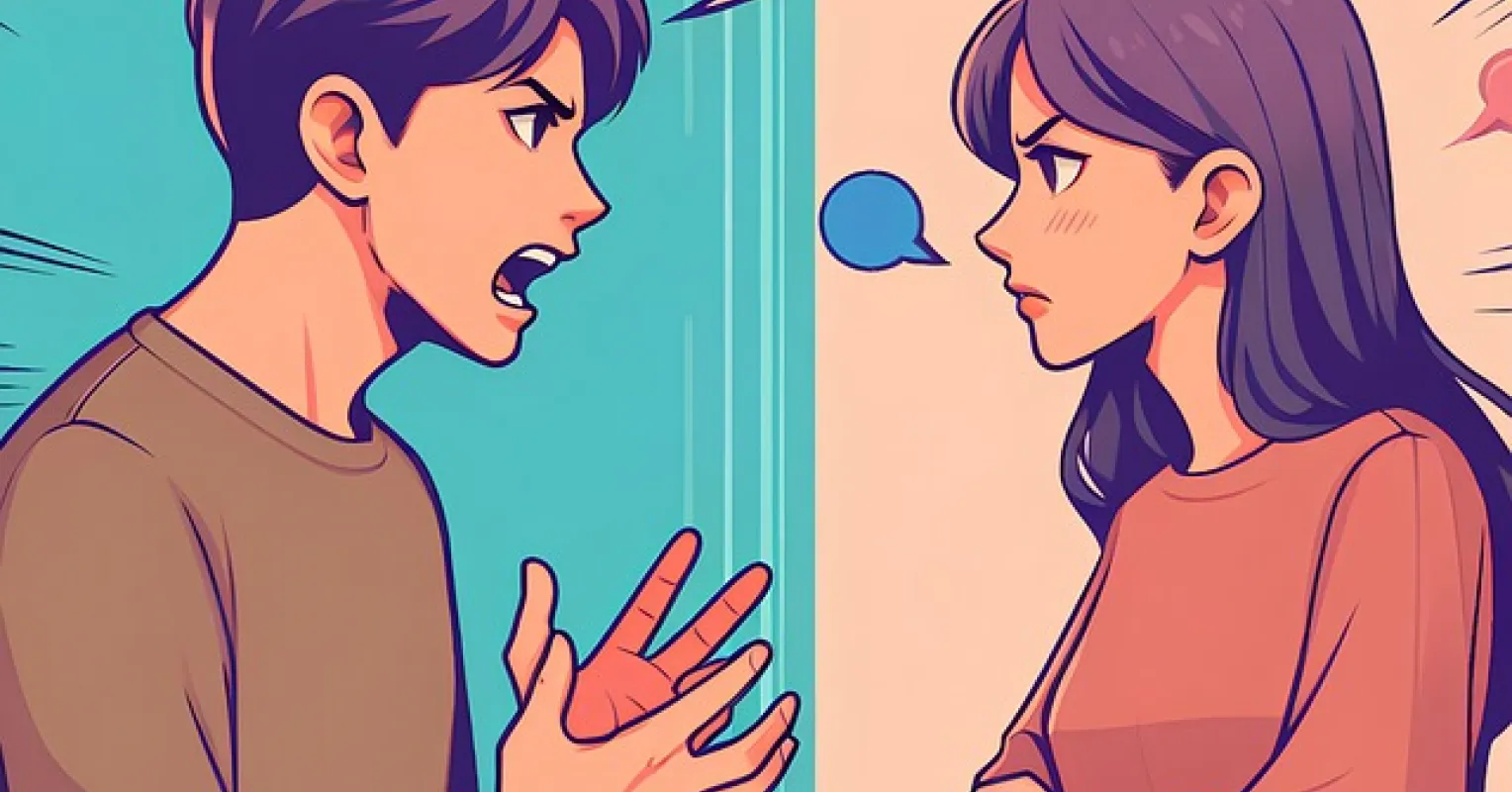
If you’ve ever found yourself feeling a wave of anxiety after a disagreement with your partner—even if it seemed minor—you’re not alone. This overwhelming feeling can leave you questioning the stability of your relationship, making you wonder why a simple conflict leads to such emotional turmoil.
Understanding the Anxiety After Conflict
Feeling anxious after a conflict with your partner can be a common, yet confusing experience. In the aftermath of disagreements, you’re likely replaying the conversation, worrying about each word exchanged, and fearing potential fallout. This anxiety may stem from a deep-rooted need for connection and validation, leading you to scrutinize your partner’s reactions and the impact of your words.
This emotional response can signal an underlying fear of losing the relationship or perhaps uncertainty about your partner’s feelings toward you. Such anxiety often grows in intensity as it intertwines with our attachment styles and past experiences, which can amplify the situation in your mind.

A closely related pattern appears in why do I feel anxious when my partner is late coming home, which adds more context to this behavior.
Why Does This Happen?
There are several reasons for post-conflict anxiety. First, our brains are wired to seek harmony in our close relationships. When tension arises, it disrupts this sense of safety, triggering a fight-or-flight response. This reaction can escalate anxiety as you struggle to reclaim emotional equilibrium.
Additionally, previous experiences can influence your current feelings. If you’ve faced unresolved conflicts in the past or come from a background where arguments led to separation or abandonment, you might be more sensitive to conflict now, projecting that fear onto your current relationship.
A closely related pattern appears in why do I feel anxious about what I say to my partner, which adds more context to this behavior.
Different Contexts and Their Meanings
The context of the conflict can vastly change the meaning behind your anxiety. For instance, if the argument was about a significant issue, your anxiety might stem from fear of deeper issues within the relationship. Conversely, if it was over something trivial, the anxiety could be a reflection of your own insecurities and not necessarily the state of the relationship.
Recognizing the context can help differentiate whether your feelings are a normal response to conflict or a sign of something deeper, such as unresolved trust issues or past trauma.

A closely related pattern appears in why do I feel anxious every time we discuss our future, which adds more context to this behavior.
What Not to Assume Too Quickly
It’s easy to jump to conclusions about your partner’s feelings or the future of the relationship during heightened emotional states. Don’t assume that a minor conflict suggests a major flaw in your relationship. Often, feelings of anxiety can exaggerate perceptions, leading you to question your partner’s love or commitment based solely on a fleeting moment.
Remember, conflicts can also be opportunities for growth. They might reveal areas that need better communication rather than signify an irreparable distance between you.
A closely related pattern appears in why do I feel anxious when my partner brings up future plans, which adds more context to this behavior.
Understanding Your Emotional Patterns
Recognizing the emotional patterns that lead to anxiety after conflicts can be empowering. Consider journaling or discussing your feelings with a trusted friend or therapist to better understand these triggers. This self-awareness can provide insights into your attachment style and how past experiences shape your present emotions.
Lastly, practicing self-soothing techniques, such as deep breathing or mindfulness, can alleviate anxiety. Remember, conflicts are part of healthy relationships, and addressing them constructively can strengthen your connection.
A closely related pattern appears in why do I feel anxious when my partner wants to get closer, which adds more context to this behavior.
Frequently asked questions
Why do I get anxious when there’s conflict in my relationship?
Anxiety during conflict may stem from a fear of losing connection or validation, often influenced by past experiences and attachment styles.
How long does relationship anxiety last?
The duration of relationship anxiety varies by individual. It can persist until you address the underlying issues contributing to your feelings.
How to stop feeling anxious after an argument with your partner?
Practice self-soothing techniques like deep breathing or mindfulness, and work on open communication with your partner to resolve conflicts more effectively.
Learn more:
About Us |
Editorial Policy |
Content Quality Standards |
Disclaimer