
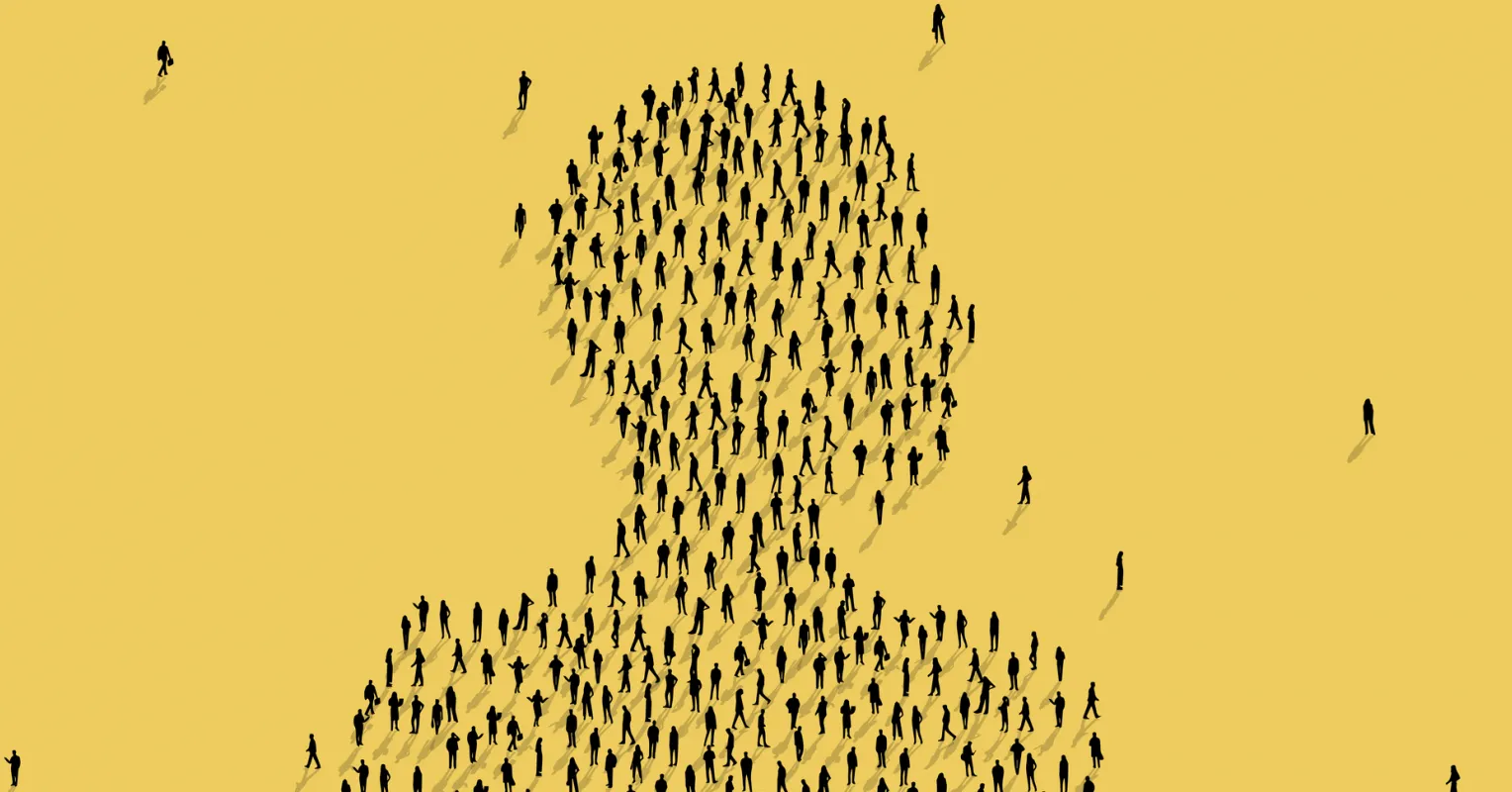
Have you ever noticed someone sitting quietly on the edge of a conversation, seemingly disconnected? If you’re wondering how to tell if someone feels left out in a group, you’re not alone. Many of us encounter situations where we sense that someone may not feel fully included, but identifying these signs can be more nuanced than it appears.
Recognizing the Signs of Exclusion
One of the most telling signs that someone feels left out in a group is their body language. Are they leaning away from the group or crossing their arms? These subtle shifts can indicate discomfort or a desire to disengage. Other indicators might include a lack of eye contact or responding minimally when addressed. You might also observe how they interact (or don’t) in group activities; if they seem hesitant to join in or frequently look at their phone, it could reflect feelings of being sidelined.
In many cases, if this behavior becomes a pattern, it can point to deeper emotional experiences. Human beings thrive on social connections, and when these connections feel threatened, anxiety and discomfort can manifest in non-verbal ways.

A closely related pattern appears in what does it mean when small talk feels meaningful in a new relationship, which adds more context to this behavior.
Why It Happens: The Social Dynamics at Play
Understanding why someone might feel left out involves examining group dynamics. Groups often have established social hierarchies, and newcomers or less dominant personalities can struggle to integrate. This can be exacerbated by existing friendships within the group; a tight-knit bond can unintentionally create barriers for others who seek to connect.
Additionally, past experiences of exclusion can amplify sensitivity to perceived slights. For example, if someone has been bullied or excluded in previous environments, they may be more attuned to signs of exclusion, even when they aren’t happening consciously.
A closely related pattern appears in how do I know if my friend is a true supporter or just being polite, which adds more context to this behavior.
Different Contexts and What They Mean
The meaning behind someone’s feelings of exclusion can vary significantly based on context. In a casual social setting, their silence might indicate shyness or discomfort rather than a deep feeling of being left out. However, in a professional environment, it could signify a lack of belonging that may impact team dynamics and productivity.
Understanding the context helps in interpreting the situation more accurately. For instance, if this exclusion occurs regularly among the same individuals, it might suggest a need for cultural or process improvements within the group.

A closely related pattern appears in what does it mean if someone dislikes hugs, which adds more context to this behavior.
What Not to Assume Too Quickly
It’s crucial to avoid jumping to conclusions. Just because someone appears quiet or disengaged doesn’t mean they feel left out. They might simply be introspective or preoccupied with personal matters. Similarly, overtly outgoing individuals can experience feelings of loneliness despite projecting confidence.
Context matters—before labeling someone as ‘left out,’ consider asking them directly or observing their interactions more closely. A simple conversation can often clarify feelings and highlight shared experiences.
A closely related pattern appears in what does it mean when a person feels drawn to honesty in social settings, which adds more context to this behavior.
Next Steps: How to Address Feelings of Exclusion
If you suspect someone feels left out, consider taking the initiative to speak with them. An open dialogue can create an opportunity for connection and understanding. Invite them into conversations or activities, making them feel more included can help alleviate those feelings of isolation.
Creating an inclusive environment is a collective effort. Encourage open communication in groups and promote activities that foster connection, allowing everyone to contribute and feel valued. It can transform not just the mood of your group but also strengthen relationships within it.
A closely related pattern appears in how can I deal with post-conversation regret, which adds more context to this behavior.
Frequently asked questions
What is the 11 6 3 rule of friendship?
The 11 6 3 rule suggests maintaining a balance in friendships by having a certain number of friends at different levels: 11 acquaintances, 6 close friends, and 3 best friends. This structure helps ensure a diverse support system.
When you feel left out of a group?
Feeling left out can manifest as anxiety, sadness, or frustration. It’s important to acknowledge these feelings and consider reaching out to someone within the group to discuss your experiences.
Learn more:
About Us |
Editorial Policy |
Content Quality Standards |
Disclaimer