
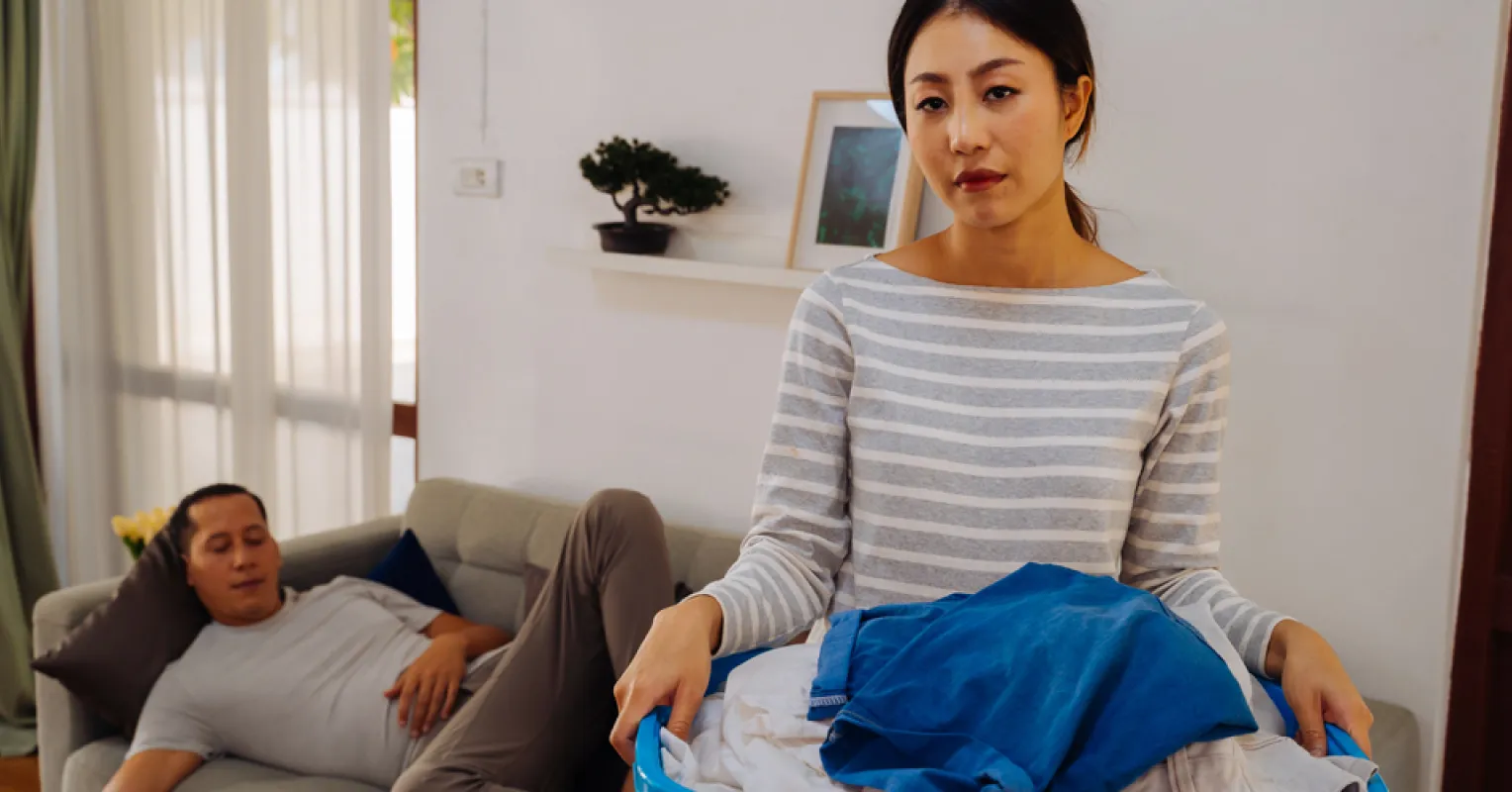
It’s frustrating, isn’t it? You’re managing tasks and responsibilities while your partner seems to glide through life, avoiding the heavy lifting at home. This feeling of resentment when your partner avoids responsibilities isn’t just simple annoyance—it runs deeper and speaks volumes about underlying dynamics in your relationship.
Understanding Resentment in Relationships
Resentment often stems from unmet expectations and feelings of inequity in responsibilities. When one partner consistently avoids household duties, it’s natural for the other to feel burdened and unappreciated. This imbalance can create a cycle of frustration, leading to deeper emotional rifts.
In many cases, this resentment can manifest in subtle ways—like passive-aggressive comments or emotional withdrawal—making it hard to address the root of the issue.

A closely related pattern appears in what does it mean if my partner avoids labels in our relationship, which adds more context to this behavior.
Why Your Partner Might Avoid Home Responsibilities
One possibility is differing values regarding household duties. Your partner may come from a background where these roles were divided differently, causing them to unconsciously replicate those patterns.
Another reason could be an overwhelming sense of responsibility at work, leading to emotional exhaustion. A partner who excels professionally may feel they’ve already given enough and, therefore, resist stepping up at home.

A closely related pattern appears in why do I feel distant from my partner after a stressful workday, which adds more context to this behavior.
Different Contexts, Different Behaviors
Consider how dynamics can shift between work and home. Your partner may thrive in the structured environment of a workplace but feel less motivated in the less regulated home setting. This discrepancy can lead to feelings of disparity in what is expected and what is actually delivered.
Emotional sensitivity plays a role, too. If your partner feels criticized or nagged, they might retreat further into avoidance to protect their self-esteem, leaving you feeling even more resentful.

A closely related pattern appears in why do I feel more distant from my daughter after she started college, which adds more context to this behavior.
What Not to Assume Too Quickly
It can be tempting to label your partner as lazy or irresponsible, but this often oversimplifies the situation. It’s important to avoid jumping to conclusions without exploring the underlying reasons behind their behavior.
Instead of assuming a lack of care for the relationship, consider that your partner might struggle with emotional processing or feel overwhelmed by responsibilities they believe are unfairly assigned.
A closely related pattern appears in why do I feel emotionally disconnected even when my partner is trying, which adds more context to this behavior.
Steps to Address the Imbalance
Building open communication is crucial. Rather than approaching your partner with accusations, express your feelings and needs calmly. This can foster understanding and create a collaborative spirit rather than a confrontational one.
Establishing specific agreements on household responsibilities can also help. Explicitly outline what each person is responsible for, and set regular check-ins to see how both of you are managing your commitments.
A closely related pattern appears in why do I feel more disconnected after my partner’s attempts to make things right, which adds more context to this behavior.
Frequently asked questions
What causes resentment in a relationship?
Resentment in a relationship often arises from unmet expectations, perceived inequalities in responsibilities, and emotional disconnect. It can manifest when one partner feels overwhelmed while the other appears disengaged.
How can I discuss household responsibilities without arguing?
Approach the conversation from a place of understanding. Instead of blaming, express how you feel about the imbalance and invite your partner to share their perspective. This promotes a solution-oriented discussion.
Learn more:
About Us |
Editorial Policy |
Content Quality Standards |
Disclaimer