
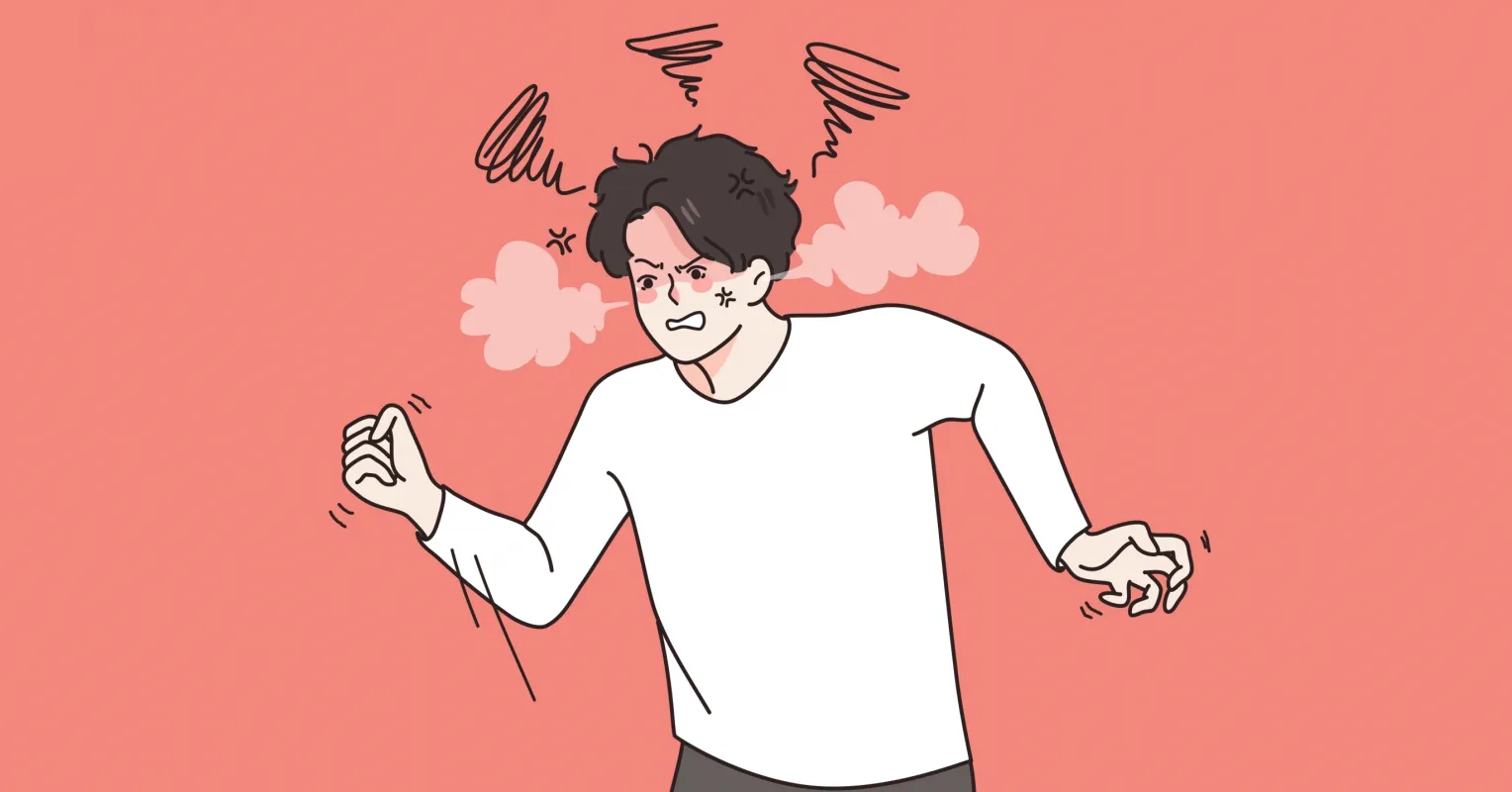
Have you ever found yourself feeling a wave of shame right after an outburst of anger? It’s as if that surge of emotion unleashes not just frustration, but also a heavy burden of guilt. If you’ve asked yourself why you feel ashamed after getting angry, you’re not alone. This emotional cocktail can be confusing and deeply unsettling, but understanding it is the first step towards emotional clarity.
The Emotional Landscape: Anger and Shame
Anger and shame are often intertwined in a complex emotional landscape. When we face situations that provoke anger, whether it’s perceived unfairness, disrespect, or struggle, we might react impulsively. After the initial explosion of anger fades, shame often creeps in. This shame may stem from feeling that we’ve lost control or acted in ways we later regret. Essentially, the moment of anger can feel like a violation of our self-image, igniting a sense of shame that we grapple with afterward.
Understanding this connection is critical. Recognizing that feeling ashamed is a common aftermath of anger can help normalize your experience. After all, who among us has not felt a pang of regret for words spoken in the heat of the moment?

A closely related pattern appears in why do I feel ashamed for wanting more in my situationship, which adds more context to this behavior.
Why Shame Follows Anger: Common Triggers
One reason you might feel ashamed after anger is the societal stigma attached to expressing such strong emotions. Many cultures discourage overt displays of rage, promoting ideals of calmness and composure instead. When anger erupts, it clashes with these societal expectations, often leading to an internalized shame.
Moreover, unresolved anger can tap into deeper issues, such as unmet needs or personal insecurities. If your anger signifies a push against feeling powerless or dishonored, the ensuing shame might reflect an internal conflict regarding your worth and dignity.
A closely related pattern appears in why do I feel embarrassed after crying in front of others, which adds more context to this behavior.
Different Interpretations of Anger and Shame
Understanding the emotional fallout from anger is not one-size-fits-all. For some, it prompts reflection and an urge to change behaviors, while for others, it may lead to withdrawal and avoidance. The reaction largely depends on personal history and emotional patterns.
For instance, if you grew up in an environment where anger was met with punishment or silence, your natural response may be to feel shame whenever anger arises. Conversely, if you have a more constructive relationship with anger, you may see it as an opportunity for growth, reducing the likelihood of shame surfacing afterward.

A closely related pattern appears in why do I always feel the urge to pull away after getting close to someone, which adds more context to this behavior.
What Not to Assume: Myths About Anger and Shame
It’s critical to debunk some common misconceptions about anger and shame. One frequent assumption is that experiencing shame indicates weakness or character flaws. In reality, feeling ashamed after anger is a human reaction, not a marker of personal failure.
Another myth is that anger should always be suppressed. In fact, unhealthy suppression can cause a buildup of resentment, which often leads to more profound emotional issues later. Recognizing that anger can serve as a signal about unmet needs or boundaries is essential in understanding its role in your emotional landscape.
A closely related pattern appears in why do I feel insecure about my partner’s feelings, which adds more context to this behavior.
Moving Beyond Anger: Steps Toward Emotional Clarity
Transforming these feelings involves a journey toward emotional awareness. Begin by practicing mindfulness; being aware of your emotions as they emerge can give you the space to respond rather than react. Journaling about your feelings post-anger can also aid in processing the shame, helping you clarify what triggered the outburst in the first place.
Moreover, addressing underlying issues driving your anger can pave the way for healthier communication in relationships. Engaging in open dialogues about feelings can reduce the internal conflicts that often lead to this confusing cycle of anger and shame.
A closely related pattern appears in why do I feel lonely after my mom’s death even when surrounded by friends, which adds more context to this behavior.
Frequently asked questions
Why do I feel shame after anger?
Feeling shame after an angry outburst is often tied to internalized beliefs about expressing strong emotions. This can stem from societal norms that discourage anger, leading to a clash with personal values when those emotions surface.
How to deal with repressed anger?
Dealing with repressed anger involves acknowledging those feelings rather than suppressing them. Consider mindfulness practices or therapy to explore and express underlying emotions constructively.
Learn more:
About Us |
Editorial Policy |
Content Quality Standards |
Disclaimer