
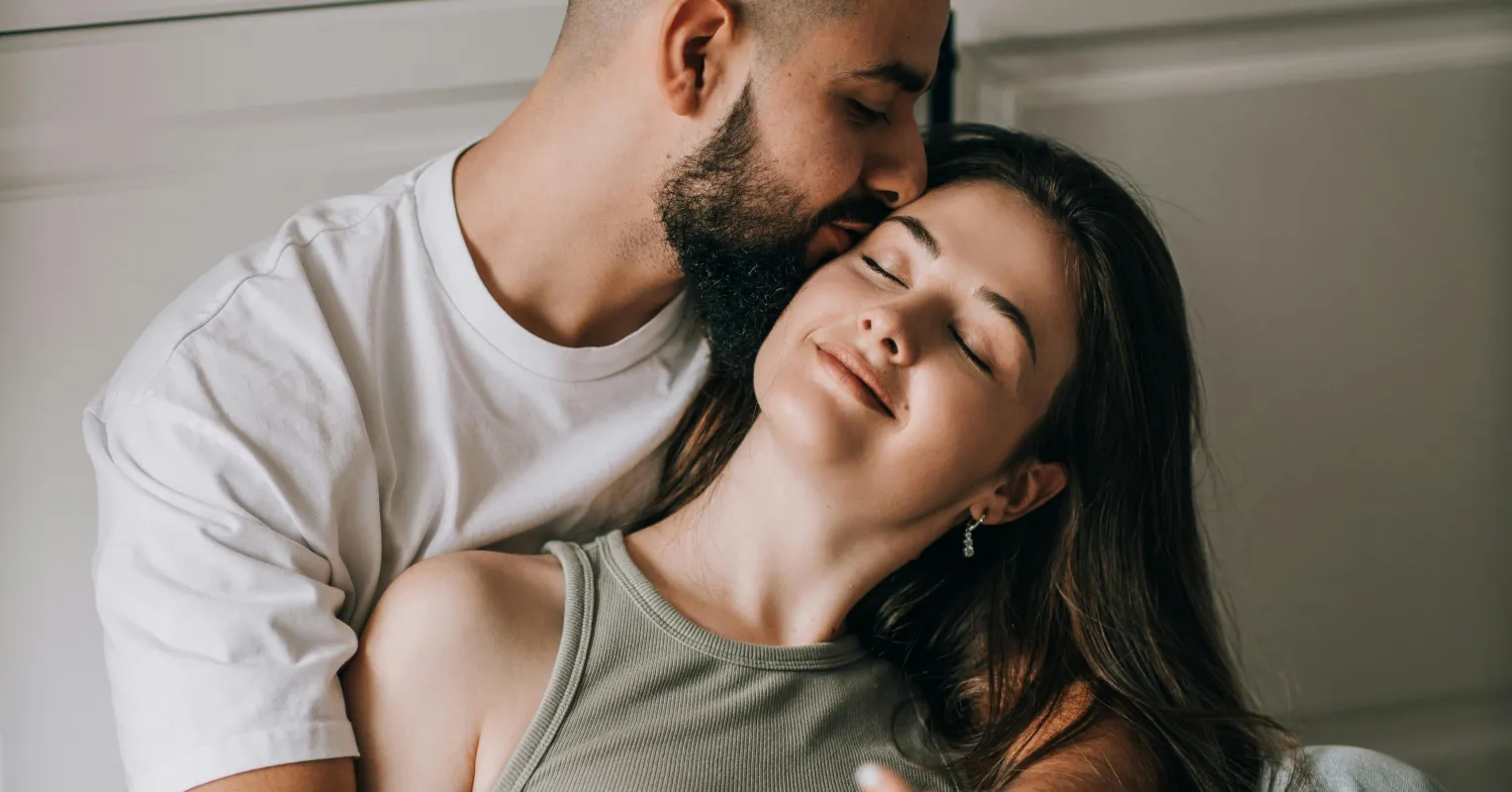
Have you ever found yourself wondering, ‘Why do some couples experience emotional distance after being close?’ This unsettling shift often leaves partners feeling bewildered and isolated, questioning the very fabric of their relationship. Understanding this phenomenon is crucial for anyone grappling with sudden emotional barriers, especially when on the surface, everything appears intact. Emotional distance can creep in unexpectedly, transforming a once-vibrant connection into a puzzling silent space that invites reflection and, often, concern.
Understanding Emotional Distance
Emotional distance in a relationship can be subtle, yet profoundly impactful. It often manifests as a lack of intimacy or the feeling that your partner is becoming emotionally unavailable. This distance can create a sense of isolation, even when you’re physically present with one another. It’s essential to recognize that emotional distance is not just about a lack of communication; it can stem from deeper emotional issues, personal struggles, or evolving relationship dynamics.
Many couples might notice this shift without understanding its implications. One moment, they’re sharing their dreams and fears, and the next, there’s an inexplicable wall between them. This emotional disconnect can feel disorienting and lead to self-doubt, questioning one’s worth and the future of the relationship.

A closely related pattern appears in why do I always feel the urge to pull away after getting close to someone, which adds more context to this behavior.
Why Does Emotional Distance Happen?
The reasons behind emotional distance can vary significantly between couples. Often, it occurs during transitional phases, such as moving in together, having children, or facing external stressors like job changes or health issues. During these times, the way partners communicate and connect may shift, leading to misunderstandings or unmet expectations.
Additionally, one partner may be dealing with personal challenges—such as anxiety, trauma, or even burnout—that might cause them to retreat emotionally. It’s crucial to understand that emotional withdrawal can sometimes be an instinctive response to protect oneself or the relationship. In many cases, this behavior is not a reflection of love lost but rather a coping mechanism.

A closely related pattern appears in what does it mean when I feel distant in my dating life, which adds more context to this behavior.
Potential Meanings of Emotional Distance
The experience of emotional distance can hold different meanings depending on the context. For some, it may indicate a temporary phase where partners are processing individual feelings or conflicts. For others, it might signal deeper issues that need attention, such as unresolved resentments or communication breakdowns.
Importantly, emotional distance does not always mean the end of a relationship. Couples can often work through these feelings by fostering open communication, addressing underlying issues, and redefining their emotional connection. It may also indicate a need for personal space—an opportunity to recharge emotionally before reconnecting with one another.

A closely related pattern appears in why do couples avoid discussing their problems, which adds more context to this behavior.
What Not to Assume About Emotional Distance
It’s easy to jump to conclusions when feeling emotionally distanced from a partner. You might assume they no longer care or that they’re hiding something. However, making these assumptions can further exacerbate the situation. Instead, it’s critical to approach the matter with curiosity rather than accusation.
Contextual factors such as work stress, mental health struggles, or personal goals may play a significant role in why your partner feels distant. Engaging in open dialogues about these external factors can reveal insights that lead to greater understanding and connection.
A closely related pattern appears in why do I feel distant after being close with my partner, which adds more context to this behavior.
Navigating Emotional Distance Together
Addressing emotional distance begins with acknowledging it. Both partners need to express their feelings honestly—without blaming each other. A conversation about both partners’ needs can help identify the root causes of this shift in intimacy and pave the way for reconnection.
Consider establishing regular check-ins or creating shared experiences that foster intimacy, such as date nights or open discussions about your relationship’s health. By actively working together toward understanding and support, couples can often bridge the emotional gap and rediscover their closeness.
A closely related pattern appears in what does it mean if my partner is emotionally distant, which adds more context to this behavior.
Frequently asked questions
What causes emotional distance in a relationship?
Emotional distance can arise from personal struggles, stressors, or temporary phases within the relationship. It’s often a response to increased emotional or personal demands rather than a reflection of love lost.
What are the signs of emotional distance?
Signs may include reduced communication, lack of intimacy, avoidance of conflict, and feeling disconnected despite being together. Partners may feel a sense of loneliness or increased frustration.
How can couples reconnect after emotional distance?
Reconnecting involves open communication, addressing underlying issues, and actively seeking to understand each other’s feelings. Shared experiences or check-ins can also help rebuild the emotional bond.
Learn more:
About Us |
Editorial Policy |
Content Quality Standards |
Disclaimer