

Have you ever felt a gnawing emptiness when it comes to your emotions, as if they’re there but locked away? If you’re searching for signs that you were raised to ignore your emotions, it might feel unsettling yet oddly familiar. Many people navigate life feeling emotionally out of touch, unsure why they struggle to express feelings or even recognize them.
What It Means to Ignore Your Emotions
Ignoring emotions is more common than one might think, often stemming from childhood experiences. Children learn by watching – if emotional expressions are met with dismissal, ridicule, or complete silence, they may begin to see their feelings as burdensome or unnecessary. This early conditioning can set the stage for a lifetime of emotional avoidance.
Essentially, it means growing up in an environment where vulnerability is viewed as weakness. Instead of exploring their emotions, these individuals become adept at hiding their true feelings, creating an emotional availability that can lead to confusion in adulthood.

A closely related pattern appears in why do I tend to ignore my own feelings in relationships, which adds more context to this behavior.
Why You Might Have Been Taught to Suppress Emotions
There can be several reasons behind someone growing up with suppressed emotions. Many parents, despite their best intentions, may think they are promoting resilience by encouraging children to ‘toughen up.’ They might not recognize that emotional expression is vital for healthy development.
Moreover, family dynamics often play a pivotal role. If a parent or caregiver themselves struggles with emotions, they might inadvertently pass on the message that feelings are best left unspoken. Understanding these layers can unveil patterns that may help you grapple with your own emotional landscape.
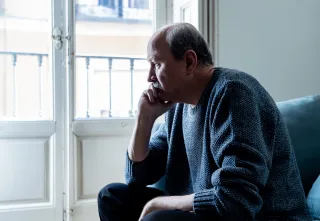
A closely related pattern appears in how can you recognize covert manipulation in relationships, which adds more context to this behavior.
Common Signs You Were Raised to Ignore Your Emotions
Identifying the signs of emotional neglect can be the first step toward understanding your emotional world better. Here are some common indicators: 1. **Difficulty Expressing Feelings**: You may find it hard to articulate how you feel, often saying ‘I’m fine’ when you’re not. 2. **Fear of Vulnerability**: Sharing personal feelings can feel overwhelmingly risky and can lead to anxiety. 3. **Emotional Numbness**: You might often feel disconnected from emotional experiences, as if you’re observing life rather than living it.
4. **Over-reliance on Logic**: You may lean towards rationalizing emotions rather than feeling them, preferring to analyze rather than engage with your feelings. 5. **Struggles with Intimacy**: Forming close relationships could trigger discomfort, leading to avoidance of deep emotional connections.

A closely related pattern appears in signs my partner trusts me but is afraid to be vulnerable, which adds more context to this behavior.
What Not to Assume About Your Emotional State
One of the most critical mistakes people make is assuming that their lack of emotional awareness means they don’t have emotional needs. This is far from the truth; every human has emotional needs, regardless of how they’ve been conditioned to regard them.
It’s also vital to avoid labeling yourself as ‘weak’ or ‘needy’ for wanting emotional support. Overcoming these feelings often requires a shift in mindset, recognizing that asking for help is a strength, not a flaw. Context matters here; avoiding emotions doesn’t negate their existence.
A closely related pattern appears in signs your partner has an inflated ego affecting your bond, which adds more context to this behavior.
Understanding Your Emotional Patterns and Next Steps
To navigate your emotional landscape effectively, consider seeking professional help, like therapy or counseling, to address emotional neglect and develop healthier habits around feelings. Exploring mindfulness practices can also aid in reconnecting with your emotions. Journaling might help articulate what’s inside, providing clarity on feelings you’ve buried.
Ultimately, recognizing these patterns is the first step toward change. Allow yourself to feel discomfort, as it often precedes growth. Embracing vulnerability can lead to richer, more authentic relationships and a deeper connection with yourself.
A closely related pattern appears in signs your partner is open to discussing new sexual experiences, which adds more context to this behavior.
Frequently asked questions
How to tell if you were emotionally neglected?
Signs include difficulty recognizing your feelings, fear of being vulnerable, and a general emotional numbness that prevents you from engaging with others emotionally.
What are the 12 signs you grew up with toxic parents?
These can include feeling overly responsible for others’ feelings, having low self-esteem, a constant fear of criticism, and an inability to assert your needs.
How do I know if I’ve been suppressing my emotions?
If you often feel disconnected from your feelings, struggle to identify your emotional state, or experience anxiety at the thought of expressing emotions, you might be suppressing them.
Learn more:
About Us |
Editorial Policy |
Content Quality Standards |
Disclaimer