
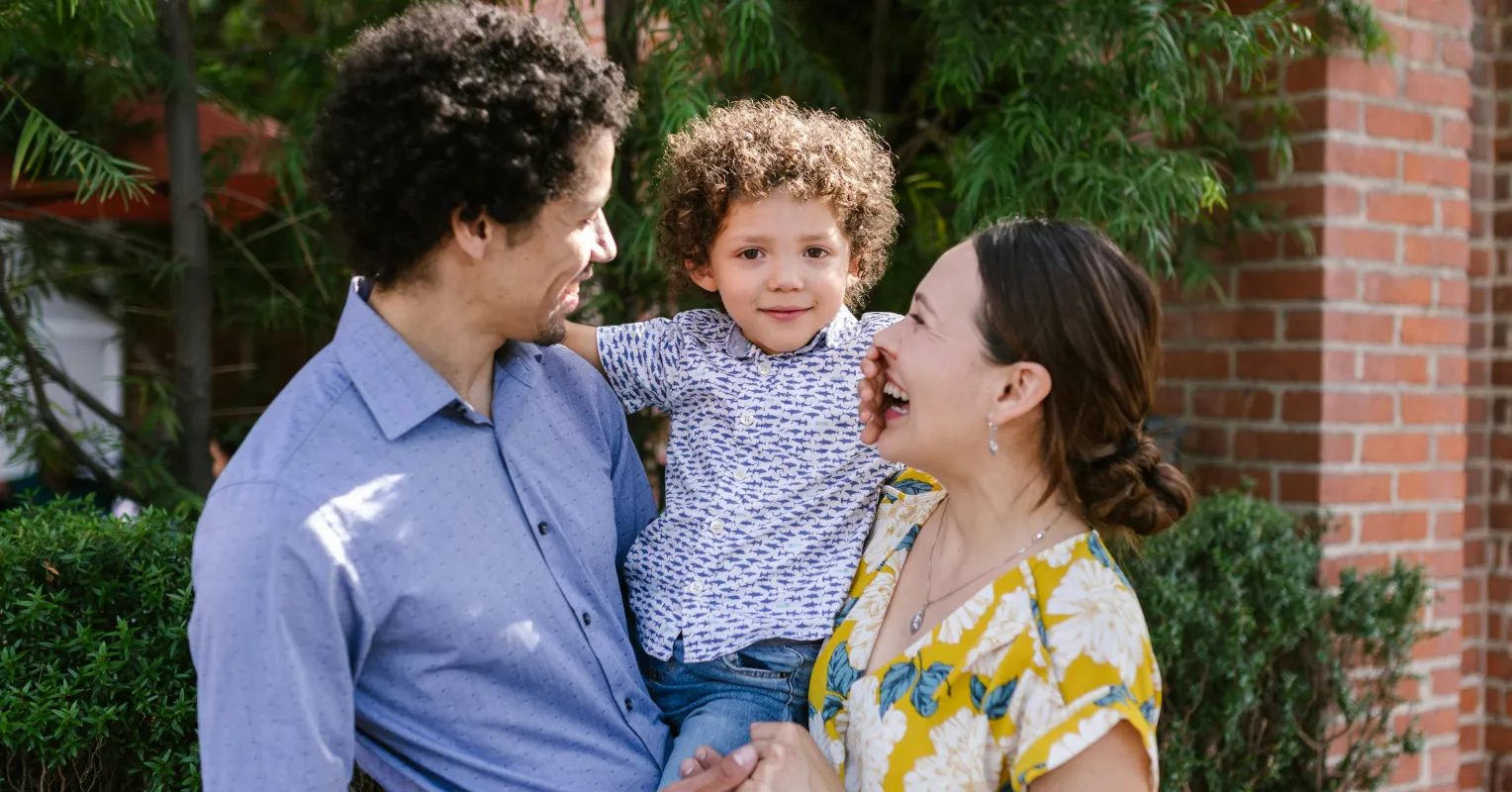
If your stepchild seems distant despite your efforts, you might be feeling confused or even hurt. It’s one of those situations that can leave you questioning what you could possibly be doing wrong or if you simply aren’t connecting. Understanding this emotional distance is crucial, as it often reflects deeper dynamics than what meets the eye.
Understanding Distant Behavior
When a stepchild appears distant, it can feel personal and frustrating. This behavior may not necessarily stem from your actions but rather from their own complex feelings about family dynamics. Stepparent-stepchild relationships often face unique challenges, influenced by factors like age, prior family experiences, and current family interactions.
It’s essential to recognize that a stepchild’s distance can be a coping mechanism. They may be navigating loyalty conflicts between biological parents and stepparents, or they might simply need time to adjust to their new family structure.

A closely related pattern appears in what does it mean when my partner seems distant after we have sex, which adds more context to this behavior.
Why Your Efforts Might Not Be Working
Despite your dedication to building a bond, your stepchild’s distancing behavior can be perplexing. One reason could be that they are still in a phase of adjustment, particularly if the blending of families is recent. Emotional walls can be a common part of their process, as they may feel uncertain about their new role within the family framework.
Another possibility is that your stepchild might feel overwhelmed by their emotions or the expectations placed upon them. They may fear that pursuing closeness could lead to disappointment or changes in loyalties, which creates a barrier to connection.

A closely related pattern appears in what does it mean when my partner seems distant but says everything is fine, which adds more context to this behavior.
Different Layers of Distance: What It Can Mean
The degree of distance your stepchild exhibits can have various interpretations. For some, it may signify a lack of interest or discomfort in warming up to a stepparent role. For others, it could reflect a protective mechanism against perceived threats to their existing family structure.
Additionally, some stepchildren may simply not know how to articulate their needs. This complexity can often be misunderstood, leading to frustration on both ends. It’s crucial to approach this distance not as a failure but as an opportunity for deeper understanding.

A closely related pattern appears in what does it mean when my partner reassures me but I still feel distant, which adds more context to this behavior.
What Not to Assume Too Quickly
One common mistake is to immediately conclude that your stepchild dislikes you or resents your presence. Remember, young people often process their feelings in ways that may seem distant or indifferent, but that doesn’t always mean they feel negatively toward you.
Also, be cautious about overemphasizing your narrative of ‘efforts versus outcomes’. Just because you are making sincere attempts to connect doesn’t mean that your stepchild is equipped to reciprocate or even recognize those attempts.
A closely related pattern appears in what does it mean when a partner grows distant suddenly, which adds more context to this behavior.
Next Steps: Bridging the Gap
To foster a better relationship, consider allowing space for your stepchild to express their feelings. Encourage open conversations, where they feel safe sharing their concerns and emotions without judgment. Sometimes, just knowing that you are there to listen can help break down walls.
Additionally, seek to engage in activities that they enjoy, giving them control over your interactions. This approach can shift dynamics and offer a more comfortable environment for developing a bond.
A closely related pattern appears in what does it mean when a friend suddenly starts acting distant, which adds more context to this behavior.
Frequently asked questions
What are the signs of a toxic stepparent?
Signs of a toxic stepparent may include overly critical behavior, lack of support for the child’s emotional needs, or trying to supplant the biological parent. Recognizing these signs can help in addressing issues before they escalate.
What is the 7 7 7 rule of parenting?
The 7 7 7 rule suggests spending at least 7 minutes of quality time each day with each child, making 7 meaningful rules, and ensuring 7 significant experiences weekly. This rule emphasizes the importance of connection and structure in a blended family.
What is stepmom syndrome?
Stepmom syndrome refers to the feelings of isolation or inadequacy that stepmothers may experience due to their stepchildren’s resistance or distance. Understanding this can help stepparents cope and adapt their approaches in a supportive manner.
Learn more:
About Us |
Editorial Policy |
Content Quality Standards |
Disclaimer