
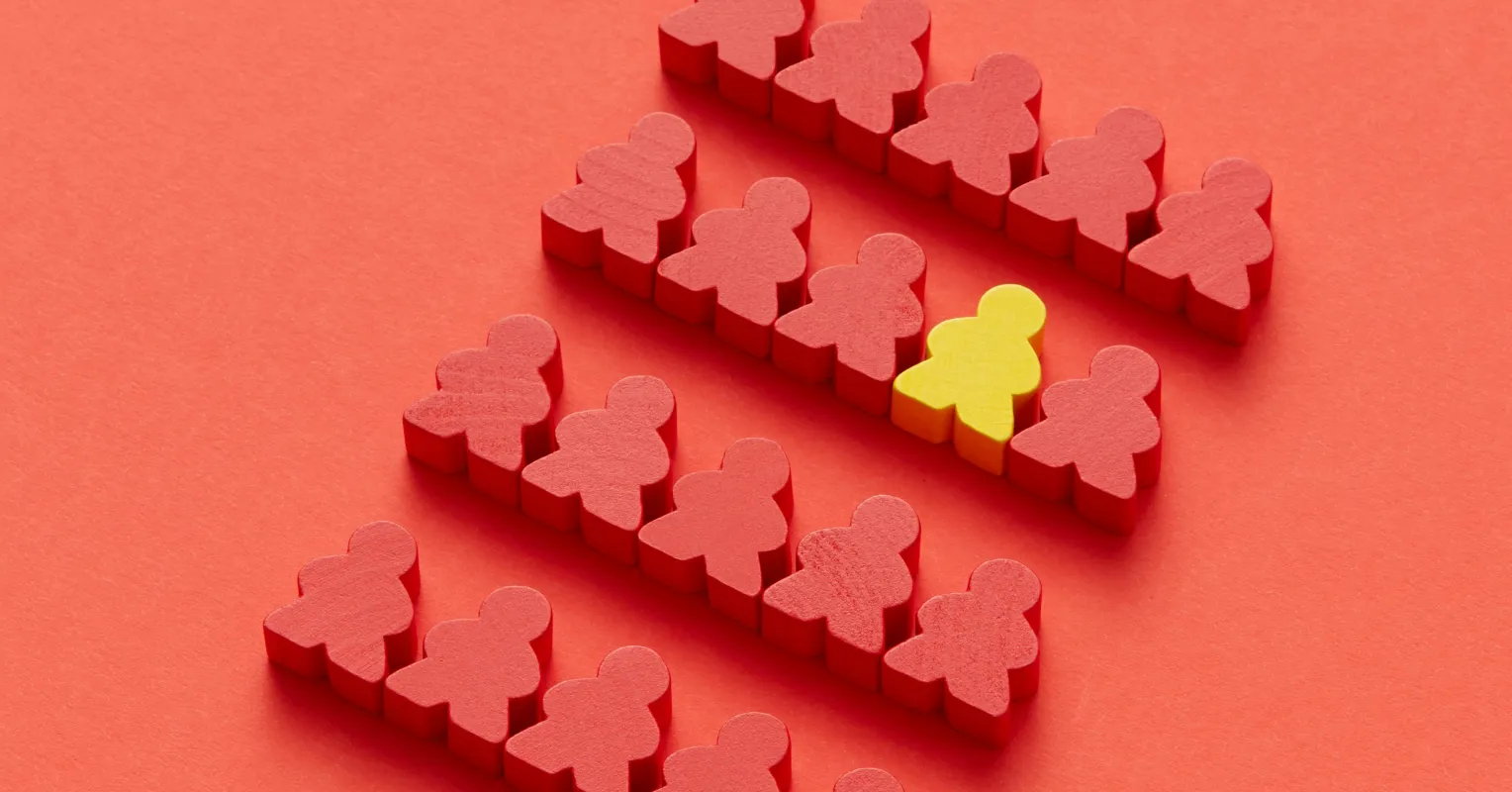
Have you ever felt the need to hide your true self just to fit in with others? It’s a common struggle that can leave you feeling disconnected and drained, even in social settings where you long for connection. Understanding what happens when you hide your true self for social acceptance can shine a light on this emotional maze and help you navigate your social landscape more authentically.
The Quiet Cost of Hiding Your True Self
When you suppress who you are to gain social acceptance, it’s like wearing a mask that hides your true colors. Over time, this behavior often leads to feelings of disconnection and isolation. You might smile and laugh with others, but internally, you may feel like an outsider in your own life. This dissonance—between your true self and the persona you present—can create deep-rooted emotional turmoil that often manifests in anxiety, depression, or even a sense of emptiness. The irony is that while you try to conform, you might lose sight of what makes you unique, transforming the quest for acceptance into a path of suffering.
People often feel compelled to edit themselves because social environments frequently reward conformity over authenticity. The pressure to align with group norms may push you to believe that being your true self will lead to rejection or ridicule. But by hiding your true self, what you’re often really seeking is not just acceptance but validation and belonging.
A closely related pattern appears in how to handle feeling unworthy in a relationship, which adds more context to this behavior.
Why Do We Feel the Need to Hide Our True Selves?
The reasons behind this behavior are complex and can vary widely. Instinctively, we seek belonging; it’s a fundamental human need. This drives many to adopt behaviors or attitudes that may not align with their genuine feelings. Often, early experiences shape this tendency—perhaps you faced criticism or were labeled in unkind ways during formative years, leading you to believe that your true self isn’t worthy of love or acceptance.
Additionally, societal norms play a massive role. In a world that often values superficial traits, the fear of being different can outweigh the desire to express your authenticity. In many cases, what starts as a coping mechanism can grow into habitual self-neglect, leaving you feeling fragmented and alienated.

A closely related pattern appears in what does it mean if I’m always on the fringes of social groups, which adds more context to this behavior.
Different Meanings Based on Context
The act of hiding your true self can have many implications, depending on your context. In professional settings, for example, presenting a polished version of yourself might seem necessary for career advancement. Here, the stakes feel higher, making the instinct to adapt even stronger. In contrast, in personal relationships, the cost of inauthenticity can be even greater—resulting in a lack of deep connection and trust with those around you.
Additionally, the context of your social groups matters. Different environments stress varying values—some may encourage individuality, while others prioritize conformity. Understanding the specific dynamics at play can offer clarity and help you decide where to draw your boundaries when it comes to self-expression.

A closely related pattern appears in what does it mean when my partner is frequently scrolling on social media, which adds more context to this behavior.
What Not to Assume
It’s easy to conclude that hiding your true self is an inherently negative trait, but this mindset can be misleading. We often assume that those who seem comfortable expressing their true selves are genuinely unburdened by similar fears. In reality, many people grapple internally with their authenticity, feeling the same societal pressures and fears of rejection. Moreover, recognizing that everyone has their insecurities can foster compassion both for yourself and for others.
Detailed assumptions about others’ perceptions of you can also trap you in a cycle of self-doubt. Not every glance or comment is a judgment of your authenticity; often, people are too focused on their struggles to evaluate yours critically.
A closely related pattern appears in why do I hesitate to join group fitness classes, which adds more context to this behavior.
Moving Towards Authenticity: Embracing Your True Self
The journey to authenticity involves making deliberate choices to express your true self, even in the face of societal pressures. Take small steps: begin by sharing a hobby or an opinion that reflects your genuine feelings with a trusted friend. Allow yourself to feel discomfort when your true self shines through—it’s often during these moments that you’ll find deeper connections. Surround yourself with people who value authenticity, as supportive relationships can encourage you to embrace who you are.
Ultimately, the goal isn’t to conform or to become someone entirely different—it’s about recognizing the beauty in your uniqueness. You may find that revealing your true self brings a sense of relief, allowing for richer, more meaningful interactions.
A closely related pattern appears in can relying on AI lead to emotional detachment from real relationships, which adds more context to this behavior.
Frequently asked questions
Why do I feel the need to hide my true self?
The need to hide one’s true self often stems from a desire for social acceptance and fear of rejection. Influences like past experiences, societal norms, and group dynamics can push individuals to conform instead of expressing their authentic selves.
What happens when you hide the truth?
Hiding the truth can lead to emotional turmoil, including feelings of isolation, anxiety, and discontent. Over time, it may create a disconnect between your inner feelings and outer expression, making it harder to establish meaningful connections.
What is it called when you hide your true self?
The act of hiding your true self is often referred to as self-censorship or inauthenticity, where individuals modify their behavior, thoughts, or emotions to fit into social norms or expectations.
Learn more:
About Us |
Editorial Policy |
Content Quality Standards |
Disclaimer