
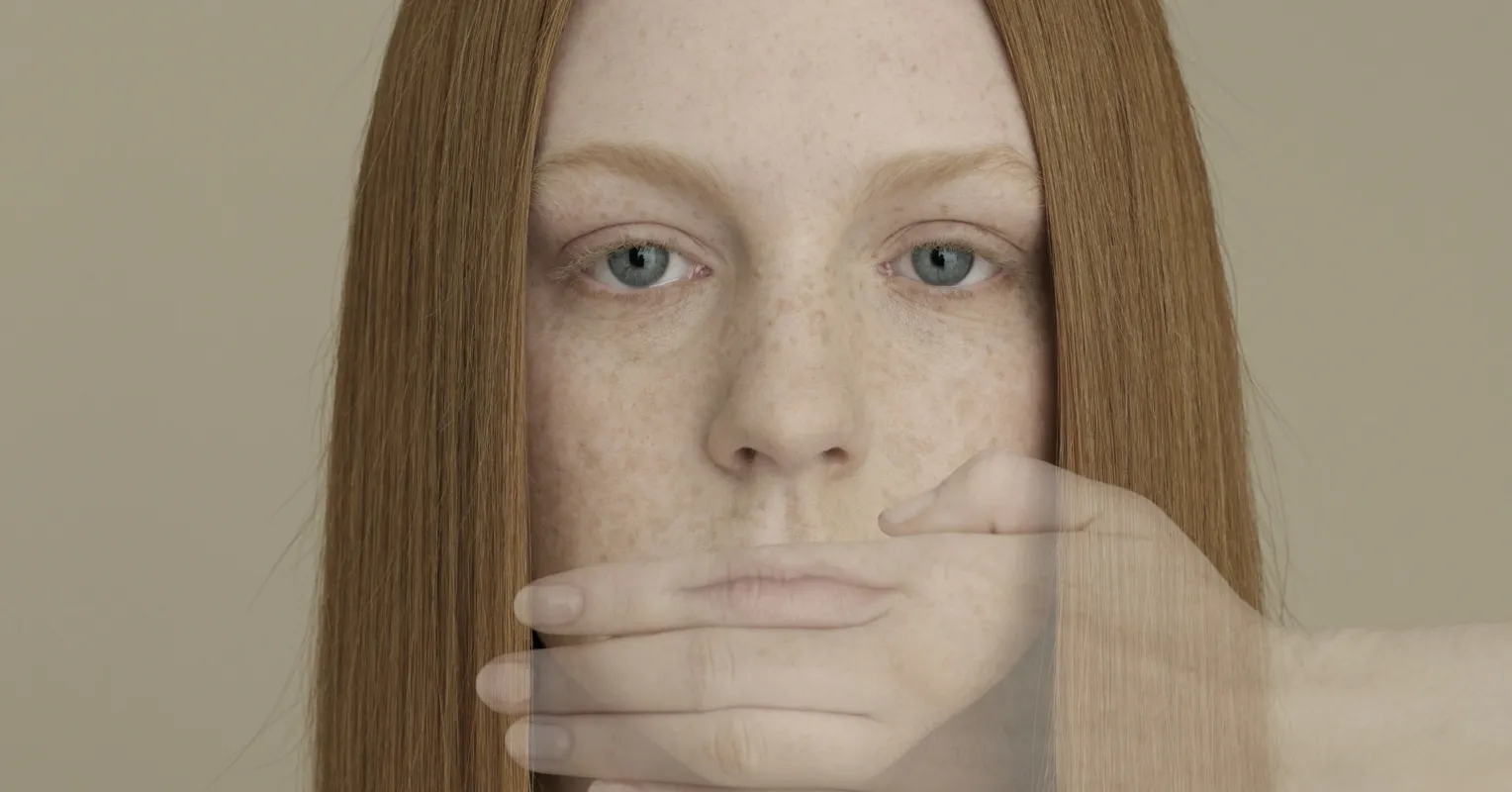
You’re sitting across from someone you care about deeply, yet the words feel stuck in your throat. The more you think about expressing your true emotions, the more anxious you become. This feeling can be overwhelming and confusing. Why do you feel anxious when expressing your true emotions to loved ones, even when it seems safe to do so?
Understanding Your Anxiety Around Emotional Expression
Feeling anxious when trying to express your true emotions to loved ones is more common than you might think. Often, this anxiety stems from a deeply ingrained fear of vulnerability. It’s that nagging voice in your head that signals you might be judged, misunderstood, or even rejected for showing your authentic self. It’s as if past experiences have conditioned you to believe that your true feelings could jeopardize your relationships.
Furthermore, emotions are often layered and complex. For instance, you may feel both fear and sadness about opening up, making the experience even more disconcerting. It’s essential to recognize that your feelings of anxiety are valid and tied to your past interactions and experiences.

A closely related pattern appears in why do I feel anxious when my partner is quiet, which adds more context to this behavior.
Why This Anxiety May Be Happening
Understanding why you feel anxious is crucial. In many cases, this anxiety is rooted in early experiences that shaped how you relate to emotions. If you grew up in an environment where some emotions were deemed unacceptable or were punished, you may have learned to suppress those feelings. This suppression can create a lasting association between expressing emotions and experiencing discomfort.
Additionally, attachment styles play a significant role. For example, those with anxious attachment styles often worry about what others think and fear the potential repercussions of being themselves. This can heighten feelings of anxiety when faced with emotional expression, especially in intimate relationships.

A closely related pattern appears in why do I feel anxious when communicating with my partner, which adds more context to this behavior.
Different Meanings Behind This Anxiety
The anxiety you experience could mean different things depending on your context. For some, it reflects a fear of vulnerability and rejection. For others, it may signal a struggle with self-worth — doubting whether your emotions are valid or worthy of attention. You might also find that this anxiety varies with the person you’re communicating with, leading to confusion about its source.
Moreover, sometimes the anxiety might be about how you want to be perceived. You might think your emotions could contradict the persona you’ve built, or you may fear being labeled ‘too emotional,’ which can lead to a performance mindset rather than authentic interaction.

A closely related pattern appears in why do I feel anxious when discussing future changes in relationships, which adds more context to this behavior.
What Not to Assume Too Quickly
It’s easy to jump to conclusions about what your anxiety means. You might assume that feeling anxious equals weakness, but this couldn’t be further from the truth. In many cases, your anxiety is a protective mechanism, a learned response designed to keep you from potential emotional pain.
It’s also essential not to dismiss what you’re feeling as trivial; the anxiety signals a deeper need for understanding and connection. Recognizing this can transform the narrative you tell yourself about your emotions.
A closely related pattern appears in why do I feel anxious when my partner doesn’t text back right away, which adds more context to this behavior.
Steps to Understand Your Emotional Patterns Better
To address this anxiety, start by practicing small acts of emotional expression in safe environments. This might mean sharing a small feeling with someone you trust and gauging their response. These small steps can help recalibrate your emotional muscle, slowly building confidence over time.
Regularly journaling about your feelings can also provide clarity and help disentangle the emotions that may be contributing to your anxiety. Working through your thoughts on paper can reveal patterns, making it easier to understand not just what you feel, but why you feel that way.
A closely related pattern appears in why do I feel anxious every time my partner mentions the future, which adds more context to this behavior.
Frequently asked questions
Why am I uncomfortable with expressing my emotions?
Discomfort with emotional expression can stem from early experiences, fear of judgment, or societal conditioning that teaches us certain emotions are unacceptable. Understanding your background can shed light on why expressing emotions feels daunting.
What is the 3-3-3 anxiety rule?
The 3-3-3 anxiety rule involves identifying three things you can see, three sounds you can hear, and three sensations you can feel. This technique can ground you when anxiety about emotional expression arises.
How to stop relationship anxiety spiral?
Counteracting relationship anxiety starts with grounding techniques, open communication with your partner, and self-reflection on what triggers your anxiety. By addressing the root causes, you can disrupt the anxiety spiral.
Learn more:
About Us |
Editorial Policy |
Content Quality Standards |
Disclaimer