

You might find yourself wondering, “What does it mean when my wife processes emotions slower than I do?” It can feel frustrating when you’re eager to move past a conflict or emotional moment, while she seems to need more time to sort through her feelings. This difference can create tension, leaving you both confused and disconnected.
Understanding the Emotional Processing Gap
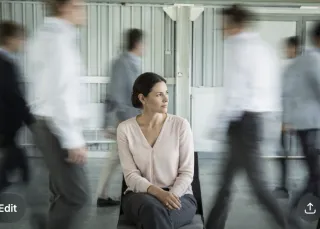
When one partner processes emotions slower than the other, it often reveals differing emotional rhythms. This doesn’t indicate a lack of care or understanding. Instead, it highlights different approaches to feelings. For some, immediate reactions may feel necessary; for others, a thoughtful pause allows for deeper understanding. Recognizing this gap is the first step toward reducing frustration and fostering empathy.
You might interpret her slower processing as a reluctance to engage, but it might instead signal her desire for a more thoughtful and thorough exploration of feelings, leading to better long-term communication.

A closely related pattern appears in what does it mean when my partner insists I change my behavior, which adds more context to this behavior.
Possible Reasons for Slower Emotional Processing
Many factors may contribute to why your wife processes emotions differently. One potential reason can be individual temperament. People with an ‘intuitive’ approach tend to need time to reflect and absorb emotions before articulating them. Others might have had previous experiences that encouraged a more cautious emotional reaction, making them less likely to rush into responses.
Additionally, societal expectations often dictate how individuals express and process emotions based on gender norms, thereby influencing personal pacing in emotional situations.
A closely related pattern appears in what does it mean when my partner opens up after a fight, which adds more context to this behavior.
Context Matters: The Bigger Picture
Understanding the context of each incident can offer valuable insights. If your wife’s slower processing occurs during stressful moments, it may indicate how she deals with anxiety or pressure. Alternatively, if this is a constant pattern, it might reflect deeper emotional patterns that deserve exploration.
For example, have there been past experiences that shape how she interacts with emotional situations? Acknowledging these elements can foster understanding and compassion.

A closely related pattern appears in what does it mean when someone withdraws after becoming close, which adds more context to this behavior.
What Not to Assume Too Quickly
It’s easy to fall into the trap of assumptions. Just because your wife handles emotions differently doesn’t mean she’s unfeeling or disengaged. Avoid labeling her responses as ‘wrong’ or ‘hesitant.’ Instead, consider viewing them as a significant way of processing her emotions, where her perspective might yield insights you haven’t yet explored.
Rushing to fill silences can lead to misunderstandings. Patience can open doors for conversations that matter. Try to approach these moments with curiosity, not frustration.
A closely related pattern appears in what does it mean when my partner avoids deep conversations, which adds more context to this behavior.
Navigating the Emotional Landscape Together
To develop a greater understanding of each other’s emotional landscapes, consider having open discussions about how you both process emotions. Try sharing your experiences and feelings surrounding processing times. Mutual understanding can lead to more supportive interactions.
Also, practicing patience can be transformative. Instead of viewing emotional processing differences as a hurdle, see them as a unique route to deeper communication and connection in your relationship.
A closely related pattern appears in what does it mean when I feel inadequate after seeing others succeed, which adds more context to this behavior.
Frequently asked questions
What is emotional starvation in marriage?
Emotional starvation occurs when one partner feels neglected emotionally, leading to dissatisfaction. This can happen if emotional needs aren’t met, resulting in one partner feeling disconnected or undervalued.
What is the walkaway wife syndrome?
The walkaway wife syndrome describes a situation where a wife feels compelled to leave a marriage due to emotional disconnection or unmet needs, often after prolonged dissatisfaction.
Learn more:
About Us |
Editorial Policy |
Content Quality Standards |
Disclaimer