
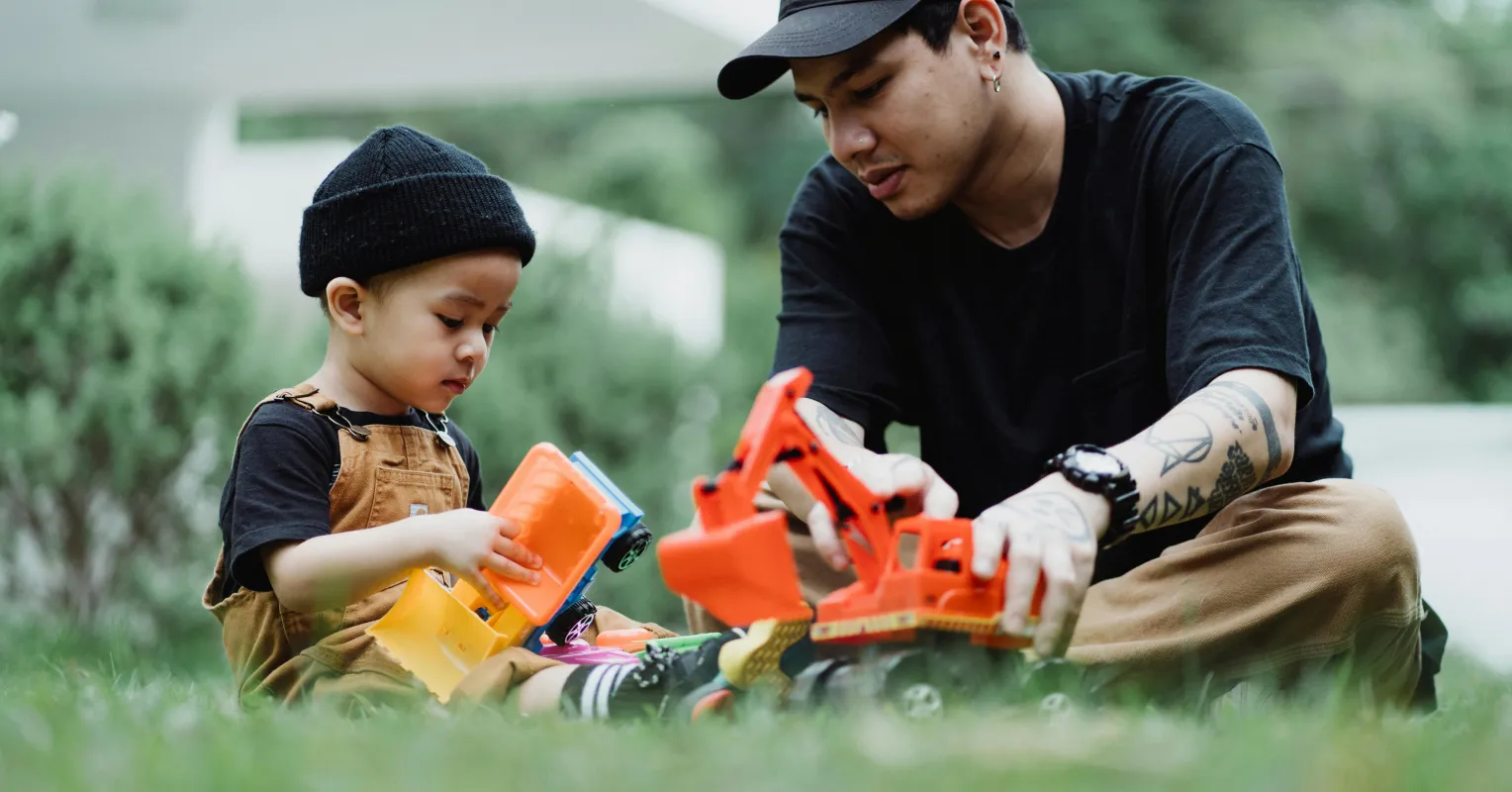
Have you found yourself frustrated and confused because your stepchildren resist playing together? You’re not alone. Many blended families face similar hurdles when it comes to bonding activities. While it may seem like a small issue, it can stir up deeper feelings of rejection, frustration, or concern about family harmony.
Understanding the Resistance
When stepchildren resist playing together, it can feel like a significant obstacle in your efforts to build a cohesive family unit. This resistance may not stem from dislike or a desire to be separate; rather, it can be a reflection of their individual comfort levels, insecurities, or even past experiences in blended families. Every child is unique, and their reactions can often be linked to their previous interactions.
For instance, one child might feel overshadowed or worried about losing attention in a new family setting, while another might simply prefer solitary play. Understanding the context of each child’s preferences and emotions is crucial in interpreting these behaviors.

A closely related pattern appears in how does childhood emotional neglect affect adult relationships, which adds more context to this behavior.
Why It Happens: Factors Behind Their Behavior
There are several reasons why stepchildren might resist engaging with one another. First, old family dynamics can linger, making them feel uncertain in their new family structure. They may harbor fears of loyalty conflicts or find the shift from old routines to new ones disorienting.
Additionally, children often mirror adult emotions and tensions. If they sense any friction between you and their parent or if they feel an imbalance in attention, it can exacerbate their reluctance to engage. These feelings can manifest in resistance or avoidance of family playtime.

A closely related pattern appears in why do I overreact in my relationships due to my parents’ expectations, which adds more context to this behavior.
Different Meanings: Interpreting Their Reactions
It’s essential to recognize that resistance does not necessarily mean a rejection of each other or their stepparents. Alternatively, it can symbolize their own adjustments to a blended family dynamic. In many cases, a child’s reluctance can indicate they are still navigating their own feelings about their new family structure.
For instance, if your stepchildren prefer playing separately, it doesn’t imply they dislike one another. Instead, they may simply need space to process the changes happening in their lives. This individual play could be their way of coping with the blending of families.

A closely related pattern appears in why do people marry to prove they are better than their parents, which adds more context to this behavior.
What Not to Assume: Bridging Misunderstandings
One pitfall many stepparents fall into is assuming that their stepchildren’s resistance signifies an unwillingness to accept them or their new roles. This assumption can lead to heightened tensions or feelings of inadequacy. It’s vital to approach the situation with empathy, recognizing that every child acts from their perspective and may require more time to adapt than adults would expect.
Sometimes, a little gentle encouragement is all it takes to help children gradually come together; other times, simply giving them space will be the right course of action. Quick conclusions can misinterpret their emotional state, potentially straining relationships further.
A closely related pattern appears in what are the signs I am afraid to be vulnerable in my relationships, which adds more context to this behavior.
Taking Steps Forward: Encouraging Togetherness
Navigating this challenging dynamic often requires patience and creativity. Instead of enforcing playtime, consider setting up low-pressure environments where the children can interact naturally. For example, plan outings that allow for individual and group participation, giving them the choice to engage at their own comfort level.
Also, encourage one-on-one time between step-siblings and stepparents. Sometimes, smaller, more intimate interactions can build stronger bonds before progressing to larger group activities. This allows children to forge connections without overwhelming themselves.
A closely related pattern appears in why do I feel anxious about being vulnerable in relationships, which adds more context to this behavior.
Frequently asked questions
What is the 7 7 7 rule for parenting?
The 7 7 7 rule suggests spending seven minutes in meaningful conversation, seven minutes of focused play, and seven minutes for a relaxing activity each day to strengthen bonds between stepparents and children.
What are signs of a toxic stepparent?
Signs of a toxic stepparent can include constant criticism, lack of support, favoritism among children, or undermining the parenting styles of others in the household.
Learn more:
About Us |
Editorial Policy |
Content Quality Standards |
Disclaimer