

You’re lying in bed, staring at the ceiling, and it hits you: why is it so hard to let go of someone who keeps hurting you? The moments of joy seem overshadowed by their flaws. It’s confusing, painful, and yet, you can’t help but feel an overwhelming attachment. You wonder, ‘Why do I keep going back?’
The Emotional Pull: Attachment vs. Reality
It’s easy to chalk it up to love, but often, it’s more complex. Emotional attachment can sometimes blur the lines between health and toxicity. While you may feel intensely connected, there’s a chance this attachment stems from deeper insecurities or past trauma. These feelings can create a kind of addiction, tying you to someone despite the logical reasons to walk away.
For many, the thrill of passionate highs in a relationship can mask underlying issues. You might find yourself focusing on the good moments—the way they make you laugh or those fleeting times when things feel perfect. But in truth, these moments can create a powerful illusion, drawing you back even if the foundation between you is shaky at best.
Patterns from the Past: Why We Choose the Wrong Partners
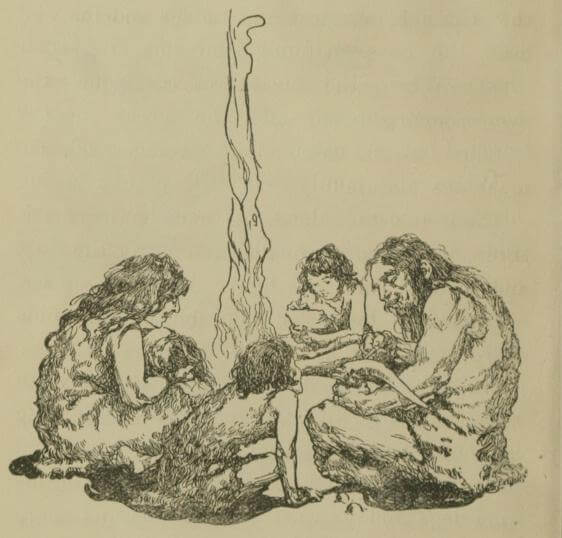
Have you ever stopped to consider your historical patterns in relationships? Many people unknowingly gravitate toward partners reminiscent of their past, especially childhood dynamics. This often means feelings of familiarity, even if the emotions attached are damaging. Relationships that mirror unresolved conflicts can lead us into familiar patterns, creating a cycle that’s hard to break.
This familiarity can feel comfortable, almost like a safety net. The risks of venturing into the unknown, even when it’s healthier, may seem scarier than the pain that comes with staying. Often, without conscious awareness, we mistake these patterns for love, leaving us ensnared in a cycle of heartache.
The Role of Fear: What Keeps Us Attached
Fear is a powerful emotion—fear of abandonment, fear of being alone, or fear of never finding someone better. These fears can fuel a strong attachment to partners who may not treat us well. The idea of ‘settling for less’ can be terrifying, making it easier to cling to what we have, even if it’s flawed.
This fear may often overshadow rational thought. The thought of losing someone, even an unhealthy someone, can feel more daunting than the pain of staying. Hence, we find ourselves delaying or avoiding tough decisions, fostering a sense of dependency that’s hard to shake off.

Misreading Signals: Love vs. Attachment
It’s crucial to distinguish between love and the form of attachment born out of fear or past experiences. Sometimes, what feels like love is merely a bond formed out of necessity or habit. This is where emotional intelligence comes into play—recognizing that love ideally should uplift and support you, not drag you down.
Learning to interpret emotional signals accurately can offer clarity. Ask yourself: Is this person enhancing my life, or am I holding onto a fantasy of who I hope they will become? This recognition can be the first step toward healthier relationship dynamics.
Breaking Free: Steps Toward Healthier Attachments
Once you recognize these dynamics, the journey towards healthier attachments begins. Consider setting boundaries—understanding your self-worth outside of someone else’s validation is key. Engage in self-reflection, possibly with the help of a counselor, to explore why you may be drawn to these unhealthy situations in the first place.
Building a strong sense of self-worth and recognizing that you deserve healthy love can help free you from damaging attachments. It’s not an easy road, but acknowledging the issue is the first empowering step towards transformative change.
Frequently asked questions
Why do I feel drawn to toxic relationships?
Many factors, including unresolved past issues, fear of loneliness, and emotional dependence, might contribute to this pattern. Understanding your unique emotional landscape can shed light on these choices.
Can I change my attachment style?
Yes, with conscious effort and possibly therapeutic support, you can work towards developing healthier attachment styles that encourage fulfilling relationships.