
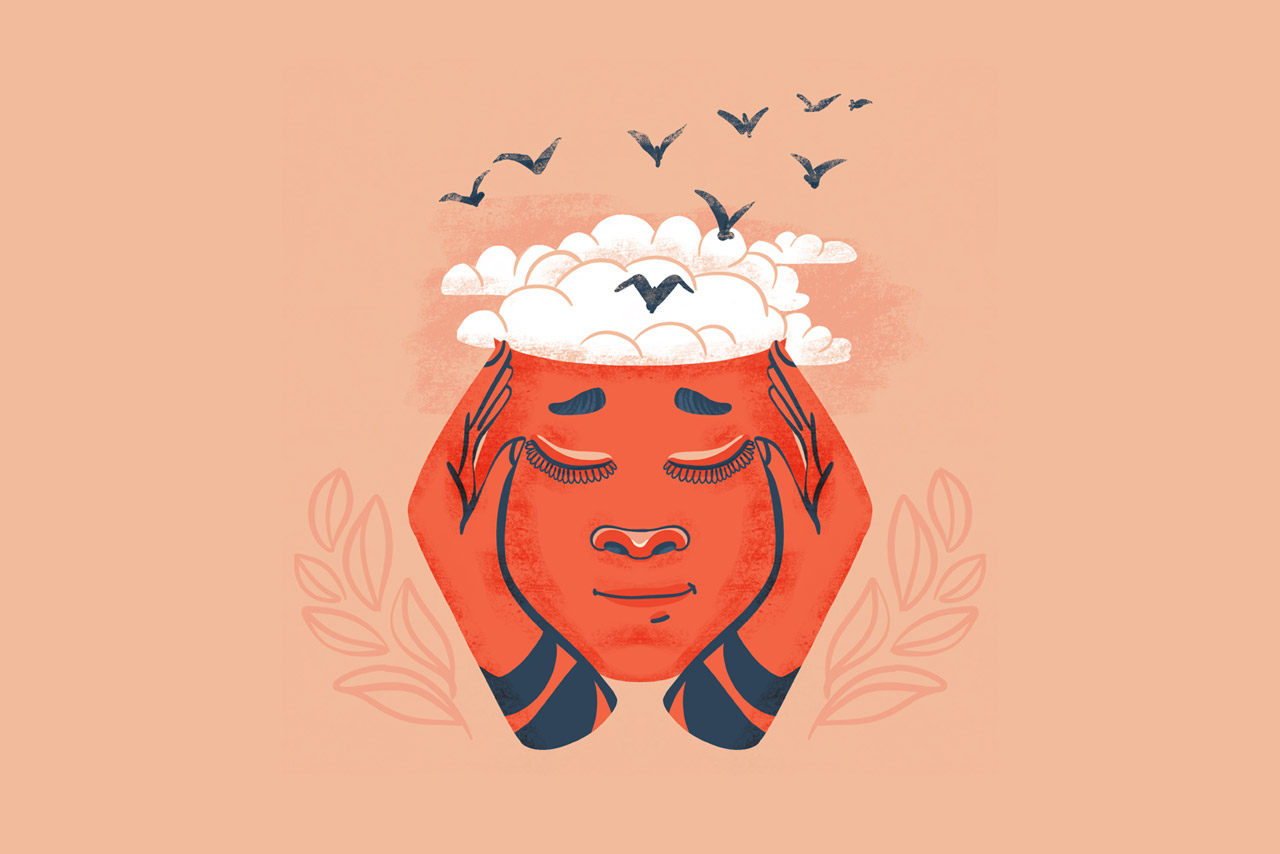
Have you ever found yourself in a situation where, despite outward appearances, you’re gripped by a sense of panic? You might feel the need to control every detail, as if holding onto the reins will somehow ease the unease churning inside you. This isn’t just you; it’s a common experience many face when anxiety levels rise. The chaos in your mind can push you to seek control over everything, leading to confusion and even more stress. But why does this happen?
Understanding the Need for Control
Control becomes a coping mechanism in the throes of anxiety. When life feels unpredictable, seizing control over small aspects can provide a fleeting sense of safety. For many, this behavior may stem from a significant life event that shook their sense of security, leading to a tight grip on what can be managed. The irony? Seeking control often prevents us from addressing the root of our anxiety, leaving that emotional knot untouched.
This pattern is also connected to why do I feel the need to gossip when I’m insecure, especially when the same emotional signals appear repeatedly.
What Triggers This Control Need?
Certain situations, such as a looming deadline or a personal crisis, heighten anxiety levels. During these times, your brain may trigger a fight-or-flight response, fuelling an urge to control your environment. This can manifest in extreme productivity, obsessively checking on tasks, or micromanaging relationships. Recognizing these triggers can help in understanding that your response, while instinctive, may not always serve you well.

This pattern is also connected to why do I feel ashamed every time I blush in social situations, especially when the same emotional signals appear repeatedly.
Why It’s Not Always a Bad Instinct
Interestingly, this need for control can have its merits. It can motivate you to organize and prepare, driving you to be proactive about challenges. However, taken too far, it can spiral into suffocating anxiety. It’s crucial to create a balance between constructive control and letting go, understanding that not everything can or should be managed. Your worth is not defined by your ability to control every variable.
This pattern is also connected to why do I feel trapped by being the strong one in my family, especially when the same emotional signals appear repeatedly.
The Fine Line: Control vs. Acceptance
One of the most challenging lessons anxiety teaches is the value of acceptance. While controlling everything may feel like a shield against chaos, embracing uncertainty can lead to greater emotional resilience. This doesn’t mean relinquishing responsibility; rather, it means acknowledging your limitations. Accepting that some events are beyond your control can paradoxically make the anxiety more manageable, allowing you to focus energy on areas where you can truly make a difference.
This pattern is also connected to why am I afraid my child will be taken advantage of because of their emotional openness, especially when the same emotional signals appear repeatedly.
Steps Toward Healing and Balance
To reclaim your peace of mind, start by identifying specific areas where you feel the most need for control. Once identified, practice mindfulness techniques to ground yourself in the present moment. Journaling your thoughts and feelings can also help clarify what’s truly within your power to control. Finally, cultivate a support system where you can share these feelings—sometimes, simply voicing your worries can lessen their weight.
This pattern is also connected to why do I struggle to open up emotionally to my friends, especially when the same emotional signals appear repeatedly.
Frequently asked questions
Is it normal to feel a need to control everything when feeling anxious?
Yes, it’s quite common. Many people turn to control as a way to cope with overwhelming uncertainties in life.
How can I manage my need for control during anxious moments?
Practice mindfulness, identify your triggers, and focus on acceptance over control. Seeking support from trusted friends or professionals can also help.